 Ronald S. Harichandran, Ph.D., P.E., F.ASCE
The Capstone Design Expo is an opportunity for our students to showcase the results from their capstone design course. Student teams work to create a specific design solution for a "customer’s" real and unique need. Design and design education are, by their nature, experiential and collaborative, and our design team sponsors are our key collaborators. As a result of this collaboration, students bring energy and new ideas to meet the design need.
The design projects enable our students to put into practice what they have learned to prepare them for the workforce.
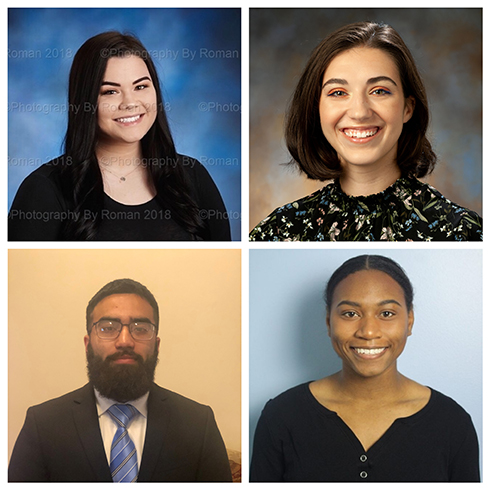
Brittany Darnaud, Moeez Kadeer, Raven Linton, and Aubrey Winiarski
Dr. David Harding
Joseph O’Day (Research and Development Director) and Kyle Schmidt (Research and Technology Engineer)
Albemarle Corporation
Design an economical process for the production of 20 million lbs per year of triethylaluminum (TEA) with a minimum purity of 94%. Two potential synthesis routes were investigated: a two-step continuous process and a single step batch process. The two-step continuous process was chosen due primarily to process safety considerations. The two-step process was simulated to get preliminary stream flows to achieve production goals. The process simulation will be finalized and mass and energy balances will be completed along with equipment sizing, cost estimates, and hazards analysis.
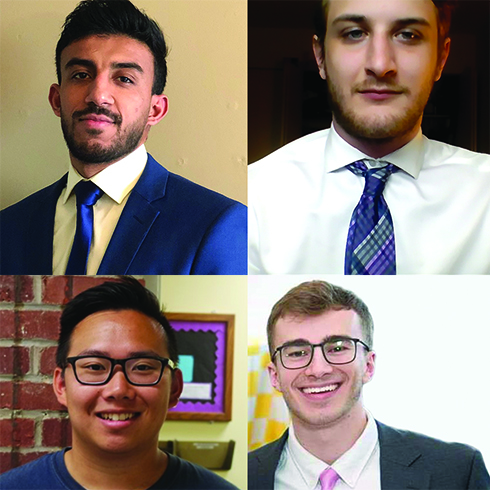
Abdullah Alamoudi (Industrial & Systems Engineering), Timothy Arcadipani, Thomas Hong, and Andrew Svitlik (Chemical Engineering)
Drs. David Harding, Larry Levine, and Chong Qiu
National Science Foundation
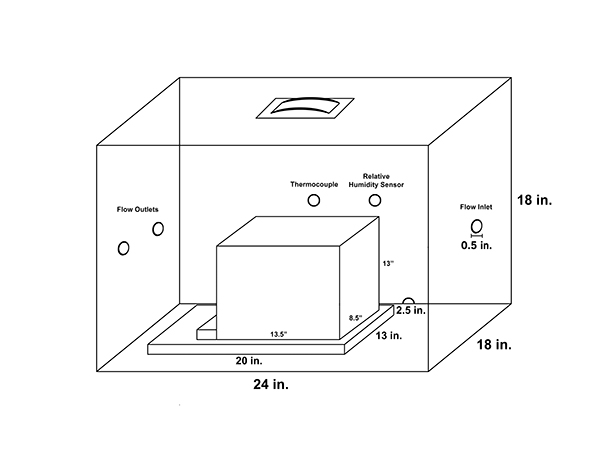
Research a method to verify the efflorescence and deliquescent points of materials analyzed in a humidifier system as part of on-going research in Dr. Qiu's laboratory. Design, construct, and test a controlled environment chamber that holds a mass balance. A control system will be utilized to maintain the relative humidity by means of a controlled water vapor stream and a dry air stream. The system will maintain the relative humidity of the chamber to allow determination of the efflorescence and deliquescent points of various materials.
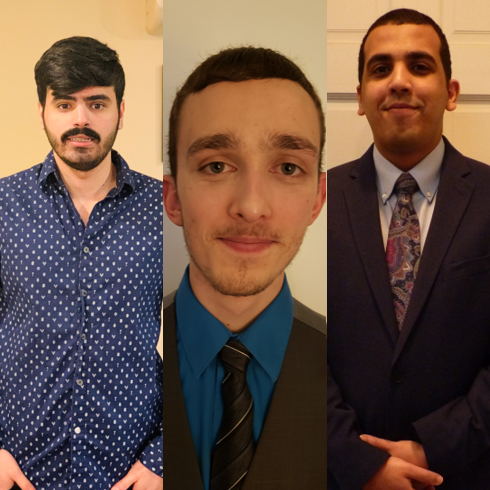
Mahmood Almshgri, Mubarak Althawab, and Gideon Sowrden
Dr. David Harding
Develop a process for high production rate of dimethyl ether (DME) within economic constraints. Investigate and evaluate the economic and environmental favorability of using DME as a transportation fuel. Compare the benefits of DME to other common transportation fuels. Compare the economic benefit of producing methanol or purchasing it as a raw material for DME production. Compare different routes for producing methanol from syngas. Develop a simulation for DME production and complete mass and energy balances along with equipment sizing, cost estimates, and hazards analysis.
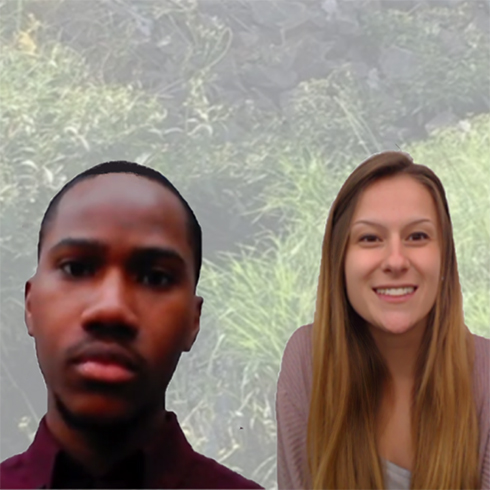
Kenu Adderley, Kristina Bennett, and Cal Reinert
Drs. Jean Nocito-Gobel and Emese Hadnagy
Mark Paine, Director of Public Works, West Haven
To design a catchment device for the Cove River in West Haven, Connecticut. The device will keep the area from flooding by catching debris against the device, which will allow water to flow over a spillway. This device should be effective over the entire length of the spillway and placed ahead or around it, allowing water to flow beneath the device.
Close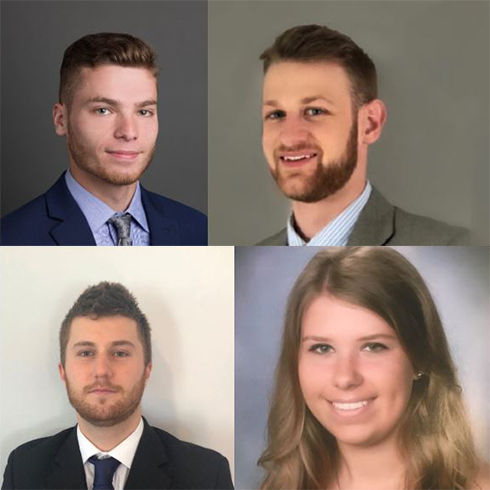
Michael Fenney, Jessica Laky, Brian Maloney, and Richard Starkey
Dr. Agamemnon Koutsospyros
Michael Shepley, Senior Engineer I, BL Companies; and Christopher Mastriano, Project Engineer I, BL Companies
To develop two design alternatives to address and improve the existing traffic and pedestrian safety at the Stratford Avenue and Honeypot Road intersection, located in Stratford, Connecticut. Improve the functionality of the intersection while not impacting the local community. Produce concept plans including the intersection and streetscape improvements, as well as the estimated construction costs.
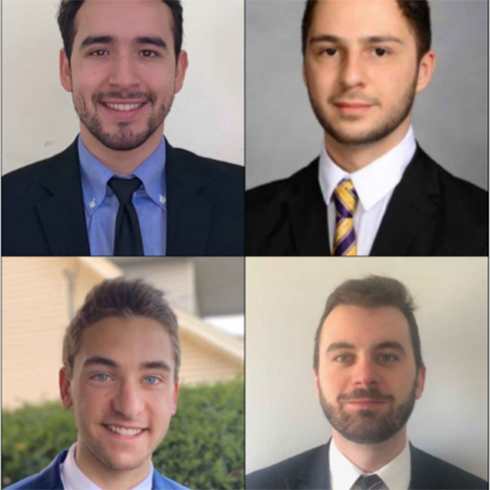
Renzo Bermudez, Evan Duarte, Nash Ericson, and Nicholas Kapp
Drs. Goli Nossoni and Gregory Broderick
Michael Oliver, P.E. Senior Structural Engineer and Project Manager, STV Incorporated
To recommend the optimal alternative to widening Skiff Street over Wilbur Cross Parkway. The project seeks to evaluate the most feasible methods for adding a fourth lane of traffic and sidewalks on the existing bridge. A structural design, concept plan, and constructability breakdown will be provided to the client with a formal report on the selection process.
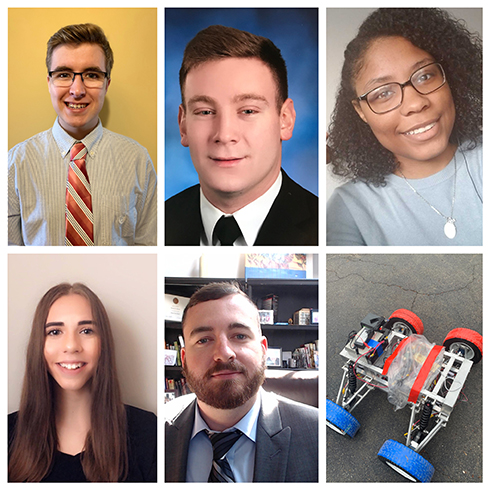
Aidan Conahan, Ryan Morton, Taliyah Rivera, Jenna Uba, and Austin Webber
Prof. Liberty Page
Emily Yale and Larry Studwell
Land Maverick, LLC, a startup company developing the future of agricultural optimization.
To replace the processor, operating system and software that controls an automated robot designed to monitor the health of soil on large parcels of land. Testing devices for data collection will be integrated into the robot and control mechanisms will be designed and implemented for motors to deploy the sensors.
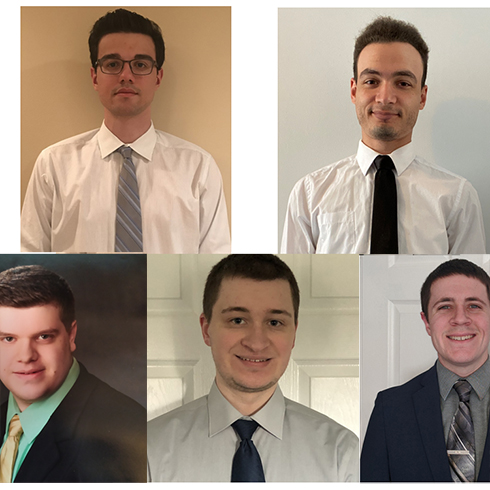
Matthew Grubelic and Luke Turbert (Cyber Systems), Anthony Saldana and Chris Saliby (Computer Science)
Prof. Liberty Page
Dr. Vahid Behezadan
Secure and Assured Intelligent Learning Lab (SAIL)
To leverage machine learning techniques to automatically detect anomalous traffic using the DNS protocol. The project seeks to eliminate the need for manual examination of suspicious log files by allowing a machine learning algorithm to make decisions. The machine learning algorithm will use an unsupervised learning model that is trained using known data and then compares this data to unknown, live DNS data.
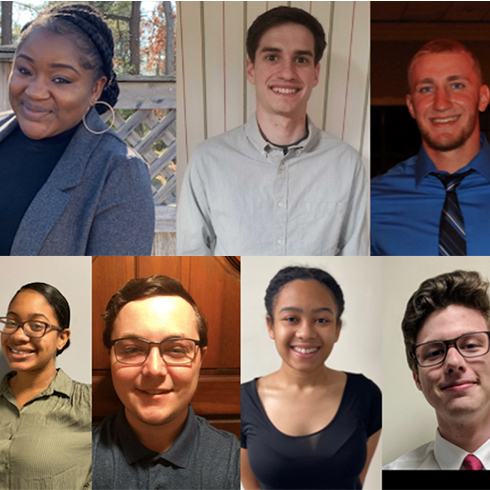
Charisma Banks-Obanor, Amber Marrero and Me’Lia Ramos (Cyber Systems); Justin Francis (Computer Engineering); Noah Jorgensen, John Lang, and Brendon Malouf (Computer Science)
Prof. Liberty Page and Dr. Vahid Behzadan
University of New Haven
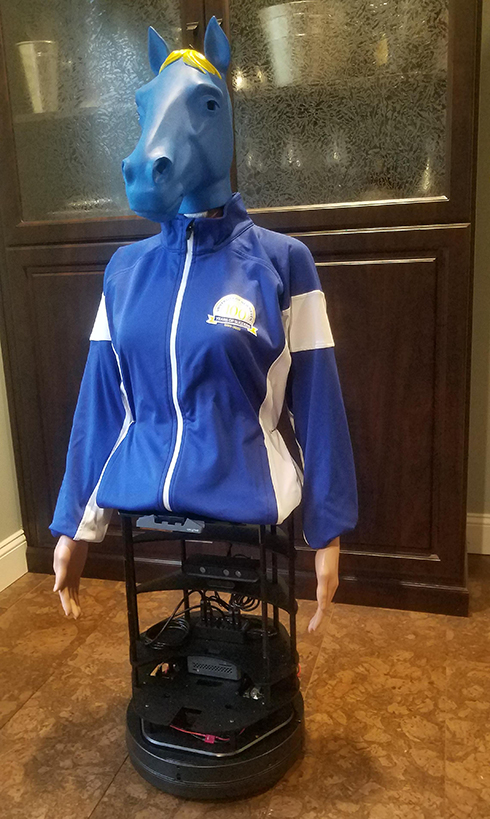
To create a robot to navigate unknown spaces, recognize faces, and "converse" with attendees at the University's Centennial Scholarship Ball. Machine learning and artificial intelligence will be used to navigate the autonomous robot.
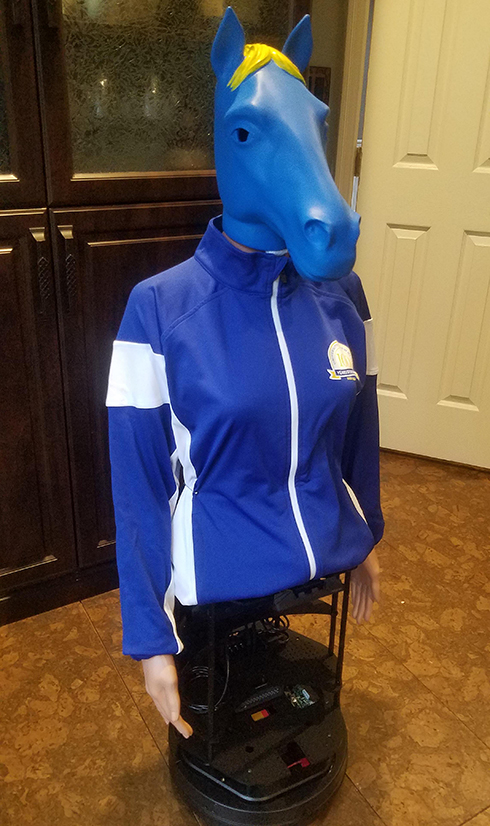
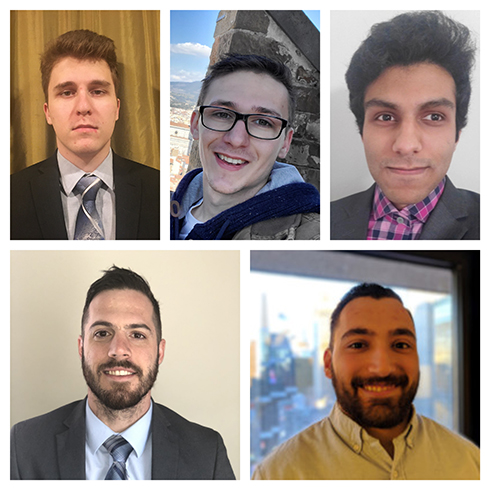
Steven Bumbera, Matthew Piscitelli, Adnan Sumra, and Tyler Thomas (Computer Science); Ilya Shavrov (Cyber Systems)
Dr. Ibrahim (Abe) Baggili and Prof. Liberty Page
University of New Haven Cyber Forensics Research and Education Group, a research group dedicated to Cyber Forensic Science
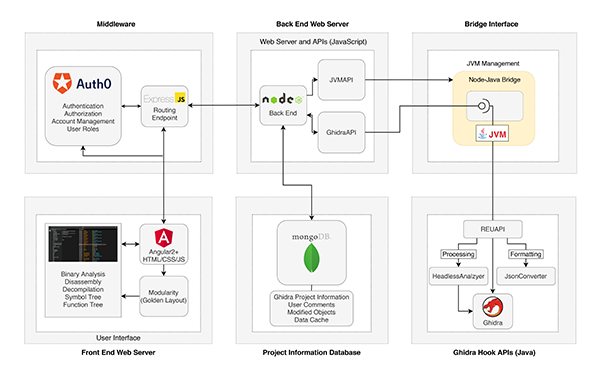
To create a collaborative framework environment for reverse engineering. The main tool utilized for this project is Ghidra: a Software Reverse Engineering (SRE) suite of tools developed by NSA’s Research Directorate, as the main disassembler and decompiler in a few steps. First, the Ghidra source code will be examined and developed a custom API in order to call Ghidra functionality. Second, the Ghidra’s graphical user interface will be redsigned in order to work on a web interface. Finally, the infrastructure needed for the environment will be developed.
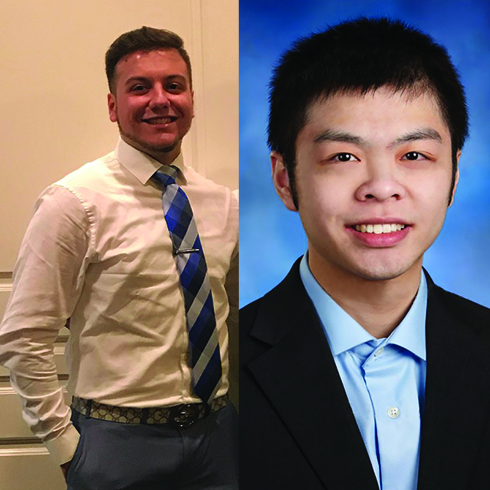
Austin Tao and Joseph Veltri (Cyber Systems)
Dr. Ibrahim (Abe) Baggili
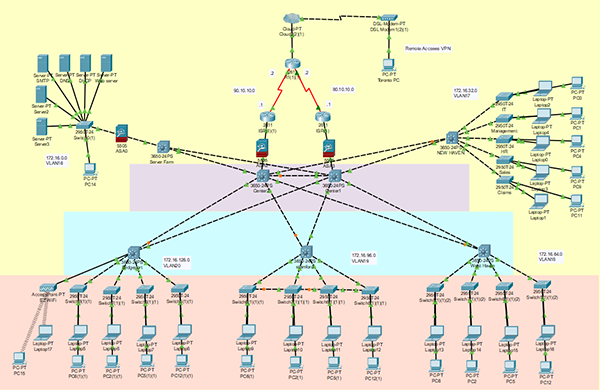
To design and build an end-to-end enterprise network for an insurance company that is scalable, secure, manageable, usable, adaptable, available, fast, efficient, and affordable. The design seeks to use a top-down approach based on hierarchical network topology to be able to meet the company’s LAN and WAN networking requirements. The end-to-end network will cover multiple locations, including head office and branch offices.
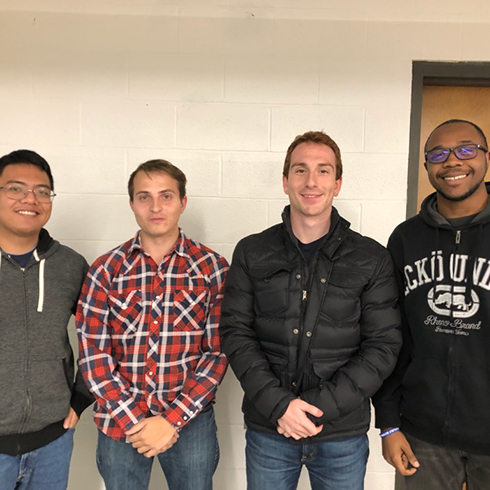
Derrick Magbaleta, Stephen Palladino, Justin Shafner, and Tremain Turner
Dr. Ismail Orabi
William A. Welsh, Sr. Technical Fellow, Dynamics
Lockheed Martin-Sikorsky Aircraft Corporation, designer and builder of the world’s most advanced helicopters for commercial, industrial, and military uses.
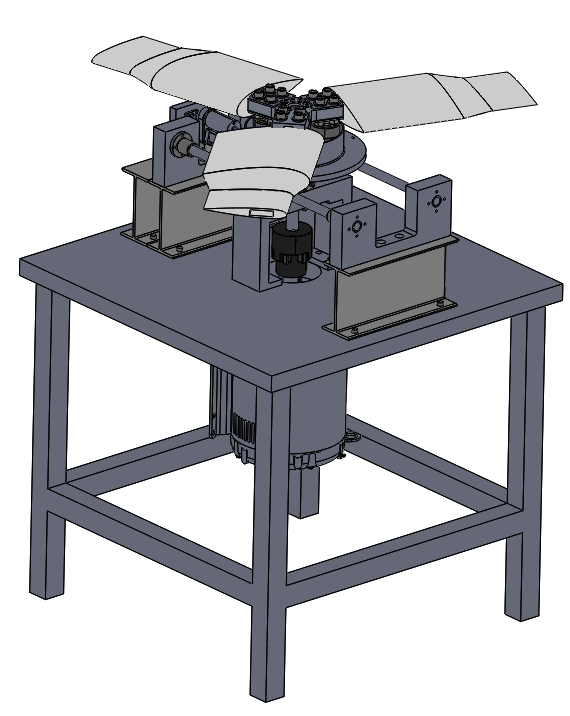
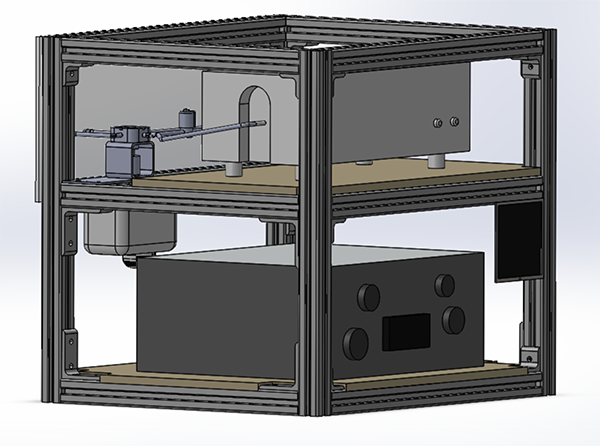
To design and build a rotor test rig to simulate a scaled down model helicopter. The test rig will be comprised of a stand and a cam that's capable of rotating blades up to 3600 rpm. This scaled down model will not create any lift from the blades and is for the purpose of testing certain devices that attach to the helicopter. Below the blades and hub is the cam that actuates the device that is to be tested. The test rig will be designed to be used multiple times, with the capability of testing future devices.
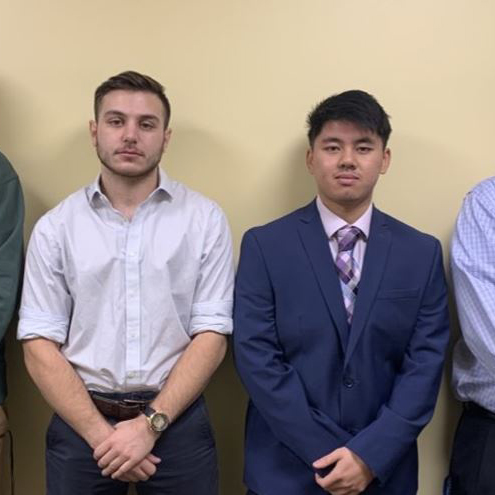
Frank Cioffi, Kyle Ruocco, Joshua Spence, and Jason Yeung
Dr. Ismail Orabi
Jim Mitsch and Derek Favret
RBC Heim, provider of global industrial, aerospace, and defense customers with unique design solutions to complex problems and an unparalleled level of service, quality, and support.
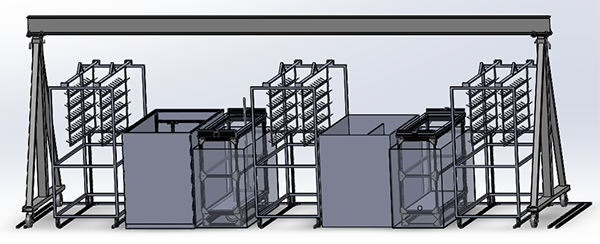
To design a system that is capable of applying a "non-stick" coating to 80,000+ parts per year, reduce human labor times by half and fit within the existing footprint allotted. Parts will be degreased, washed, dried, dipped into the “non-stick” coating and baked. This will be done using racked parts and other standard industry practices to increase production in an efficient and high capacity manner.
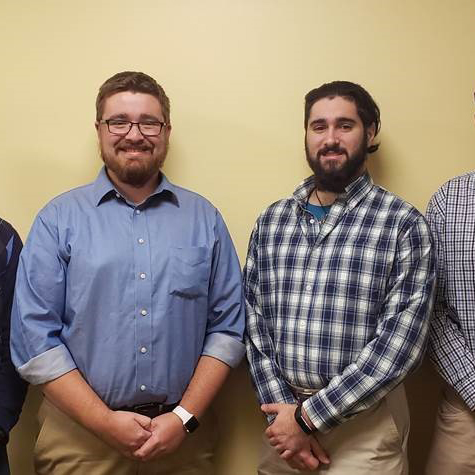
Mark Alves, Blake Cairrao, Jacob Chartrain, and Jyles Rosa
Dr. Ismil Orabi
Mallory Pille, Kenneth Kappola, and Anthony Gaddy
Medtronic (Covidien Division), developer of medical innovations to provide impactful surgical solutions and advance patients' monitoring and recovery.
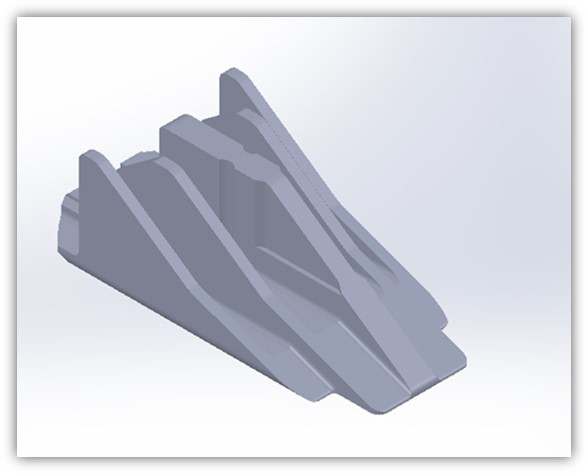
The Tri-Stapler from Medtronic is an important tool in minimally invasive surgeries. While the stapler is able to produce perfectly formed staples, the reaction of both the staple line and the tissue to malformed staples is largely unknown. A process will be developed to repeatably form malformed staples and a relationship will be found between the degree of under/over crimp and the holding pressure and tensile strength of the staple line.
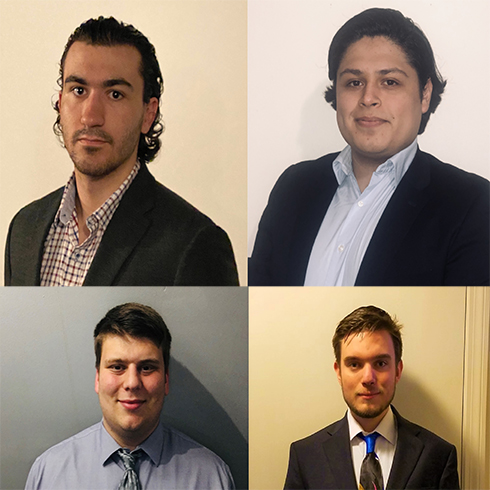
Joe Briggs, Ney Carrillo, Tyler Drake, and Michael Zecchin
Dr. Ismail Orabi
Kasra Fatemi
Edgewell Personal Care, focusing on insightful innovation and agility; delivering better solutions to our consumers and customers
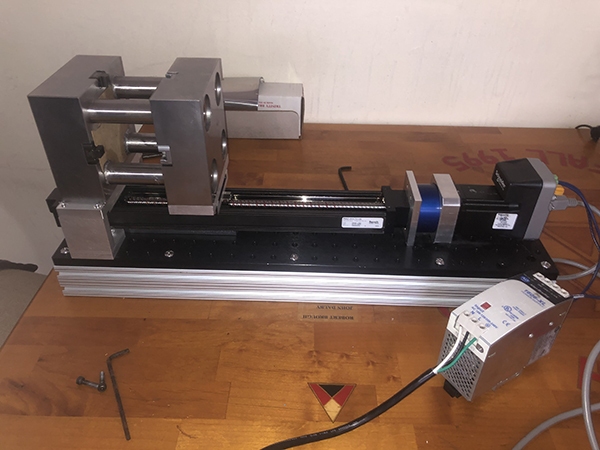
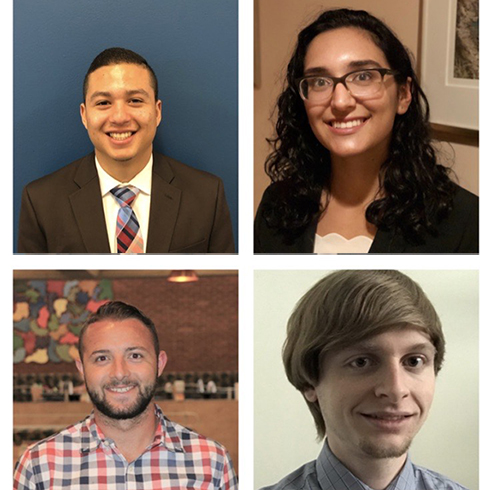
To design a prototype of a sensor setup that can detect when there is not enough grease on the leader pins of molds. A test bench that can simulate a mold opening and closing will be designed and built to test the sensors. The sensors will then be tested to determine how well they can detect the amount of grease on the leader pins. Finally, a prototype design that can apply this detection system on all of the company’s molds will be created.
Austin DeFrancesco, Eric Fanning, Kevin Martinez, and Michaela Vincenzi
Dr. Mohsen Sarraf
Connecticut Department of Transportation
University of New Haven
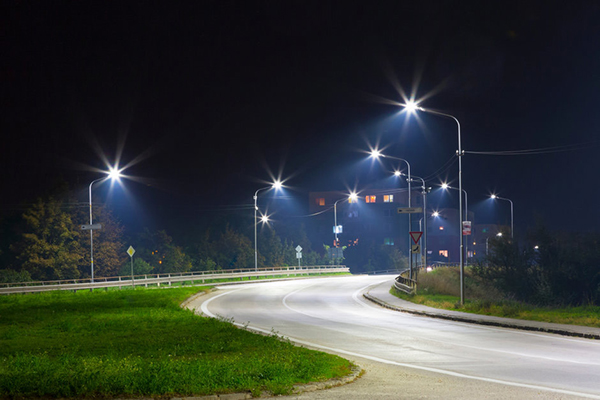
To design a lighting system for the Merritt Parkway that also has the capability to be deployed in other roads. The design will support the energy industry's initiative regarding renewable energy while aspiring to ensure the safety of drivers on the Merritt Parkway and on roads that are not supported by traditional lighting systems. The reusable energy lighting system will be integrated with wireless digital communications to operate according to desired parameters including the indication of lighting levels along with motion detection to determine when a car is approaching or has passed the area of interest.
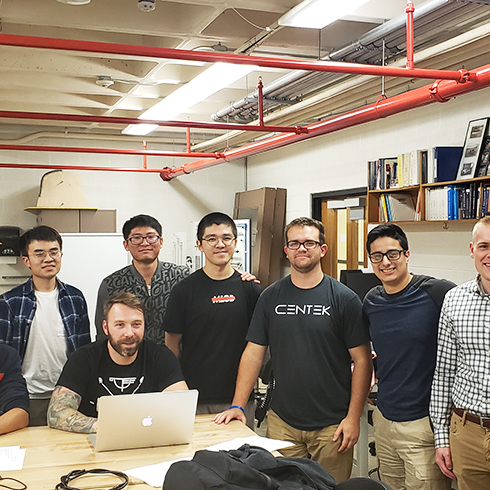
Byron Alvarado, Jonathan Stanford, and Hangtao Xu (Electrical Engineering); Luke Amiot and Matthew Torri (Civil Engineering); Justin Beardsley, Wayne Catucci, and Christopher J. Conner (Mechanical Engineering); Zhou Shen and Ximin Yue (Industrial & Systems Engineering)
Drs. Maria-Isabel Carnasciali, Byungik Chang, Ravi Gorthala, Larry Levine, and Junhui Zhao
Jason Day, Principal, Star Wind Turbines, LLC
National Renewable Energy Lab and U.S. Department of Energy
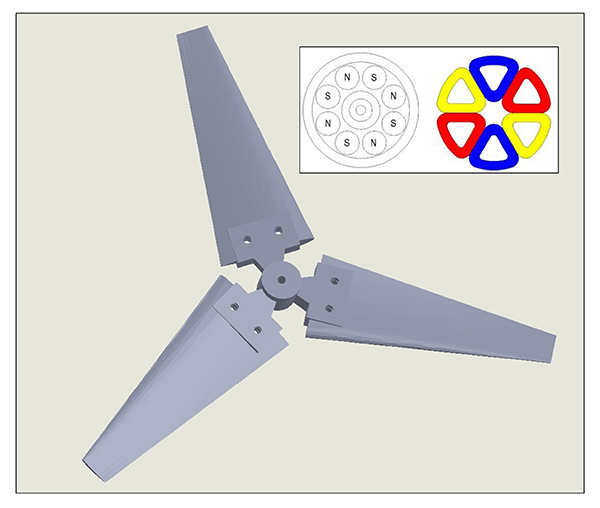
To design and build a scale-model wind turbine and propose a wind farm installation for the high wind environment of eastern Colorado. The project seeks to create an effective mechanical, electrical, and aerodynamic wind turbine and load design that is safe and reliable for testing in an on-site wind tunnel. In addition, the project requires a site plan with economic analysis for a 100-MW wind farm in eastern Colorado. A prototype wind turbine will be designed, built, and tested to withstand continuous winds of up to 22 m/s during operation and up to 25 m/s when parked.
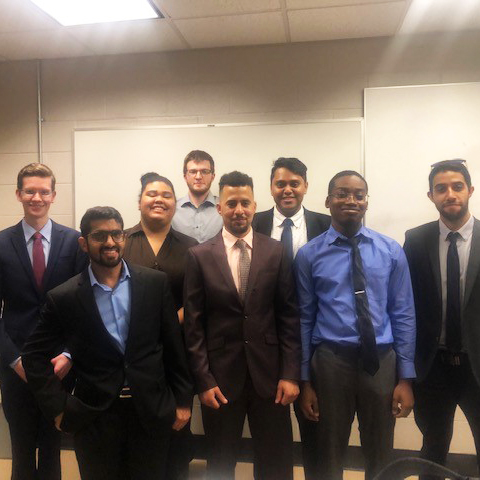
Ernest Ayesu and Hisham Shaldhom (Mechanical Engineering); Josette Rivera, Mattew Nichols, Robert Serafin, Ahmed Ali Alsadah, and Aniruddha Kalburgi (Computer Engineering); Ibrahim Taleb (System Engineering)
Drs. Joseph Levert, Larry Levine, and Mohsen Sarraf
Sam Matus (Product Manager), Frank Pellicano (Electrical Engineer)
Strain Measurement Device, supplier of leading-edge sensor technology offering superior stability, temperature performance, lower power consumption, and flexibility of design.
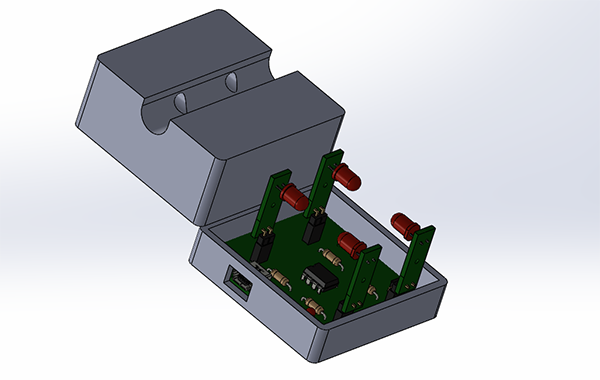
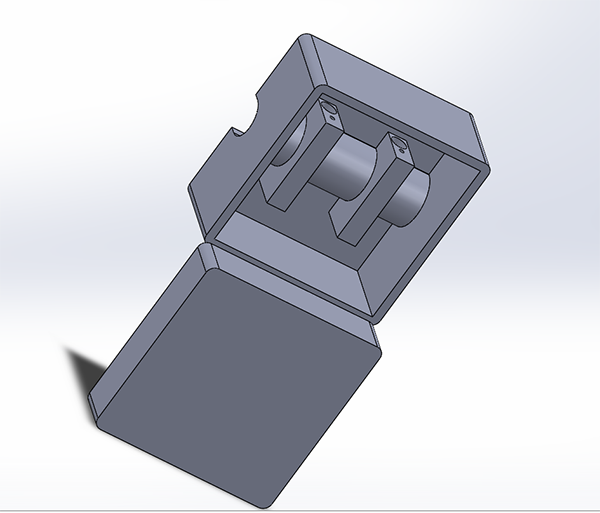
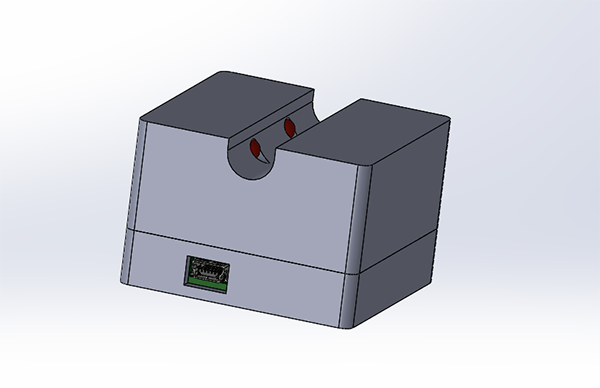
To create a realizable and accurate sensor that can detect blood in the dialyzer of a dialysis machine. This device is vital in dialysis machines because the presence of unfiltered blood mixed with saline can have serious consequences for the patient if not detected in a timely manner. Applicability of the sensor in other fields, such as manufacturing, military and commercial applications will be explored.
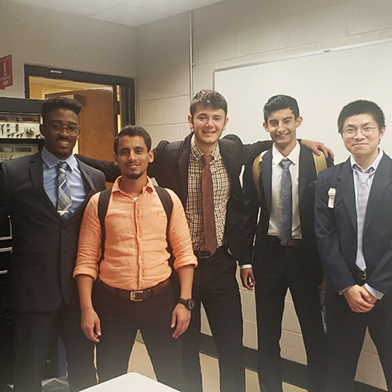
Abdullah Alaboudi, Benjamin Klemme, Jonathan Ramirez, and Hao Zhu (Electrical Engineering); Connor Herrera and Peter Fernandez (Mechanical Engineering); Nathanial Small (Computer Engineering); Abdullah Fatah (Systems Engineering)
Drs. Joseph Levert , Larry Levine, and Mohsen Sarraf
John Leonard (Director of Engineering) and Matt Malone (Mechanical Engineer), Nordco
Nordco Inc., provider and maintainer of highly engineered, specialized, and innovative equipment and services through their product life cycle to maintenance-of-way, mobile rail freight handling, and other rail-related markets.
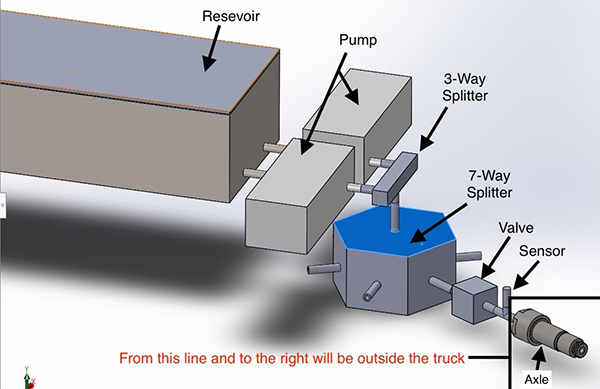
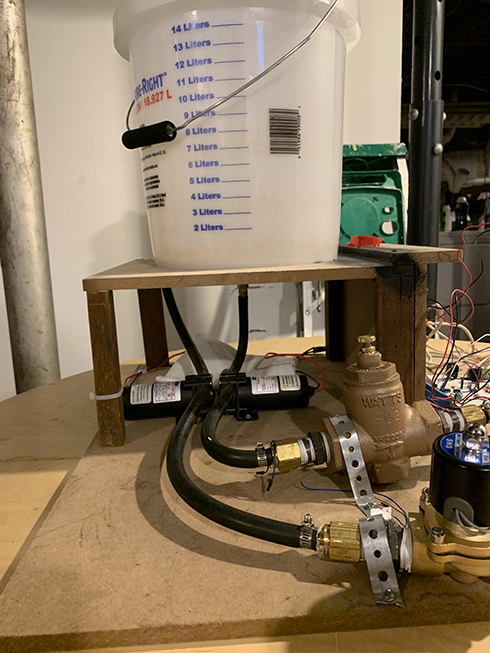
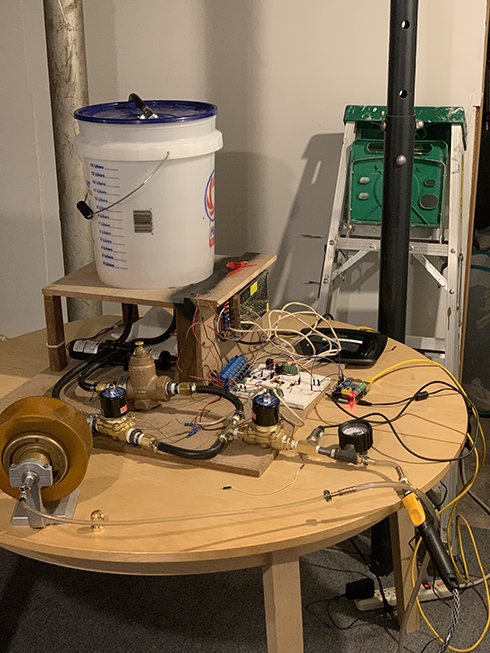
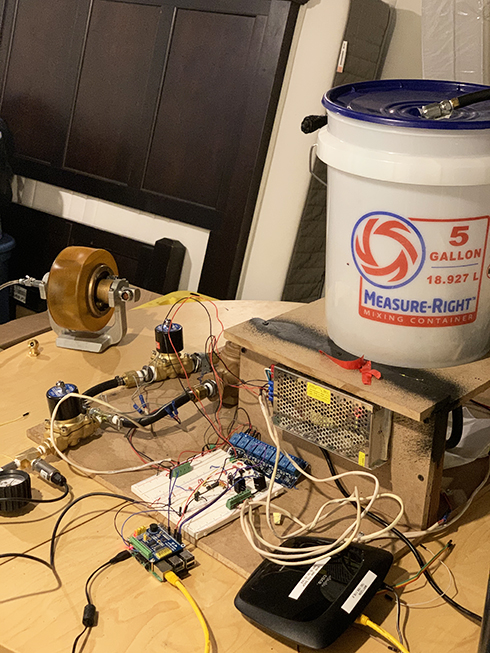
To automate the current pressurization process present on fluid-filled wheels used for ultrasonic rail inspection. The pressure of the wheels must be within a set interval for correct performance. However, the pressure decreases over time. The design will use a system comprised of pumps, valves, and sensors to automatically refill or bleed the wheels to maintain the pressure. It will also connect to the Nordco database for reporting purposes removing the need for manual recording and calibration of the wheels, thereby saving time and improving the reliability of the rail inspection system.
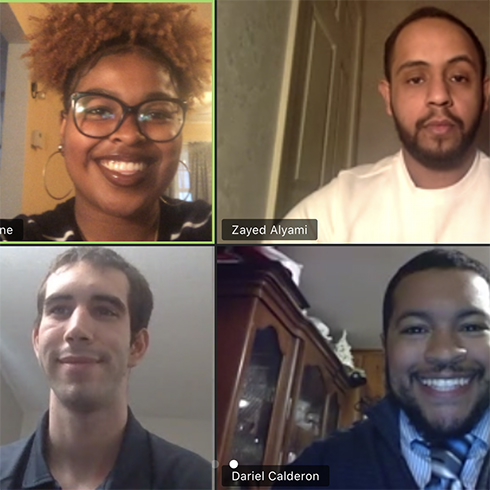
Zayed Alyami and Daniel Masi (Chemical Engineering); Brittany Woodson and Dariel Calderon (Mechanical Engineering)
Drs. Joseph Levert and David Harding
Soweto Thomas, Associate Scientist, New Product Development - Characterization Team WB Lead
Abcam, serving life scientists to achieve their mission faster.
To design an instrument that will optimize the western blotting procedure by minimizing the hands-on time needed to perform the multiple steps of the procedure. This complex procedure includes the processes of blocking with a reagent, washing, and primary antibody and secondary antibody inoculation and incubation with agitation. The design will use a shaker modified to automatically fill the multiple reaction wells with the necessary solutions, shake for a specified time, drain each well, and repeat the process for each step of the western blotting process. This will allow for more proteins to be screened and verified at one time and increase productivity for Abcam.
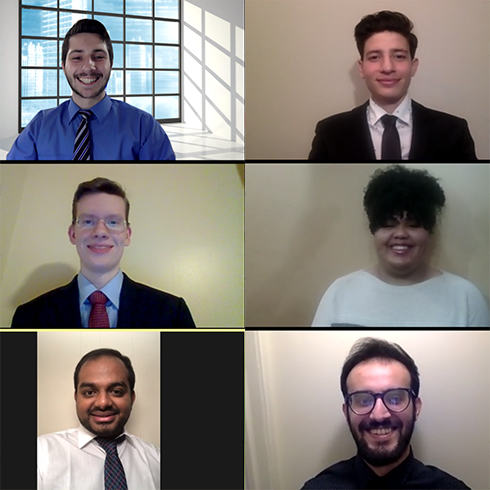
Awadh Alghanom and John-Luke Kanzler (Mechanical Engineering); Cevdet Madak (Industrial & Systems Engineering); Gokul Ravichandran (Electrical Engineering); Josette Rivera and Robert Serafin (Computer Engineering)
Drs. Joseph Levert, Larry Levine, and Chong Qiu
National Science Foundation
To securely integrate a vendor supplied aerosol particle mass detector (APM) into the existing aerosol detector research apparatus. The integration of the APM device will enable multiple operating modes, as well as data acquisition through the detector apparatus system computer or locally through the APM. The integration of the APM device will enable researchers to determine many aerosol properties, including particle density, number and size. This aerosol detector will create research opportunities which could offer a better understanding of aerosol effects on human health as well as on climate change.
We thank our industry sponsors who served as customers for our students as well as supporting their prototyping expenses. As customers, they gave valuable time and insights that uniquely benefited our students with an experiential design education in a real-world setting, which greatly complements the team mentoring by our faculty colleagues. Their generous commitment to our students brought their design education to life.