
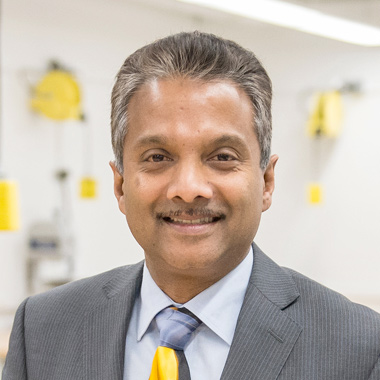
 Ronald S. Harichandran, Ph.D., P.E., F.ASCE
The Capstone Design Expo is an opportunity for our students to showcase the results from their capstone design course. Student teams work to create a specific design solution for a "customer’s" real and unique need. Design and design education are, by their nature, experiential and collaborative, and our design team sponsors are our key collaborators. As a result of this collaboration, students bring energy and new ideas to meet the design need.
The design projects enable our students to put into practice what they have learned to prepare them for the workforce.
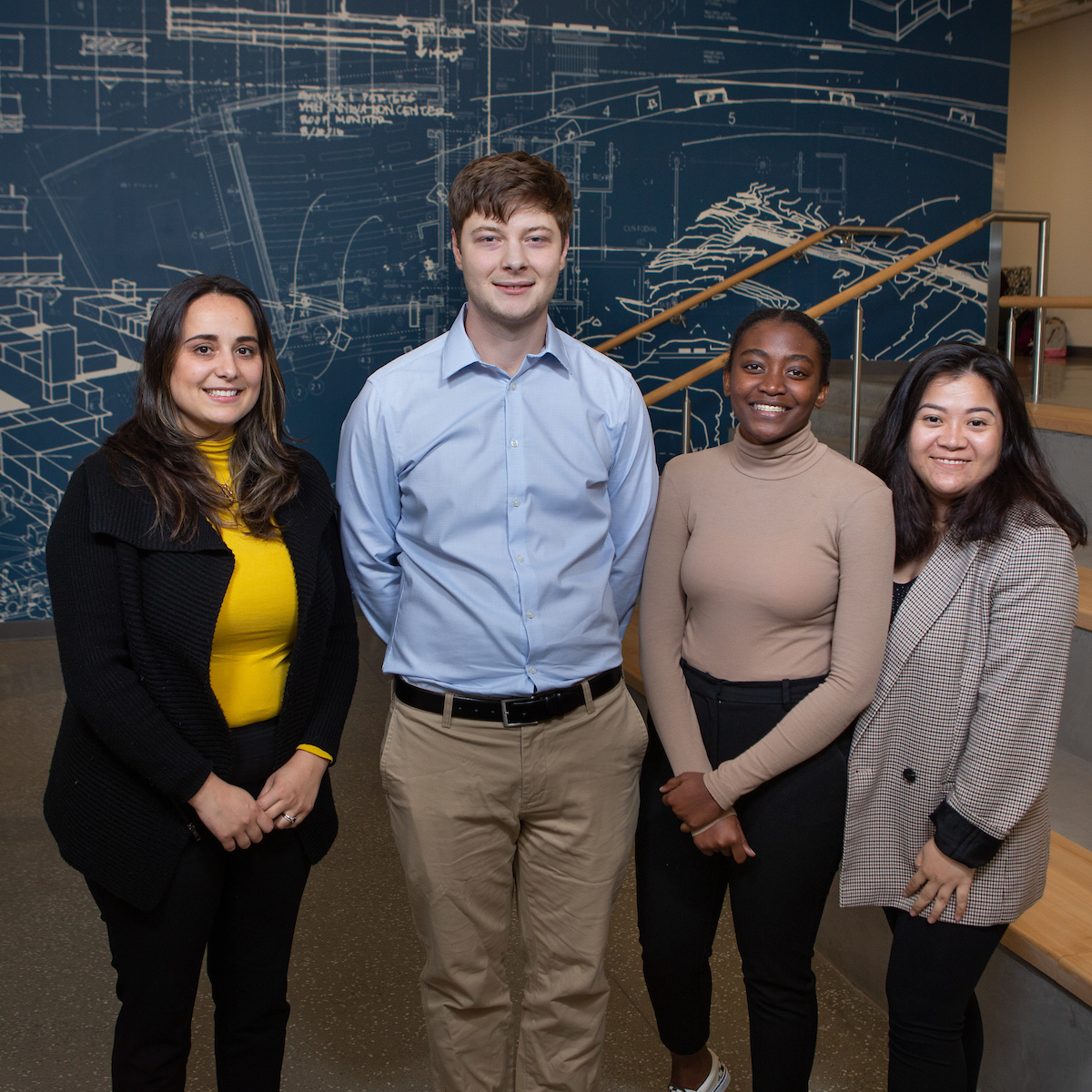
Andrew Forese, Karen Peter, Malaika Matumbu, and Trinh Ngo
Dr. David Harding
Kyle Schmidt, R & T Engineer, Albemarle
Albemarle: Global Specialty Chemicals Company; making the world safe and sustainable by powering the potential of people.
To develop an economical process to remove hydrogen sulfide (H2S) from 21.3 billion kilograms per year of saltwater brine, reducing the concentration from 450 ppm with less than 10 ppm, with a downstream process to convert the H2S into a saleable product. The H2S removal from the brine feed will be modeled with a series of conventional chemical engineering unit operations, and the conversion of H2S to elemental sulfur will be modeled with catalytic reactors. The project will include a cost estimate (+/- 25%) of the designed system, a permitting and regulatory compliance assessment, and a review of the safety and hazards associated with the system.
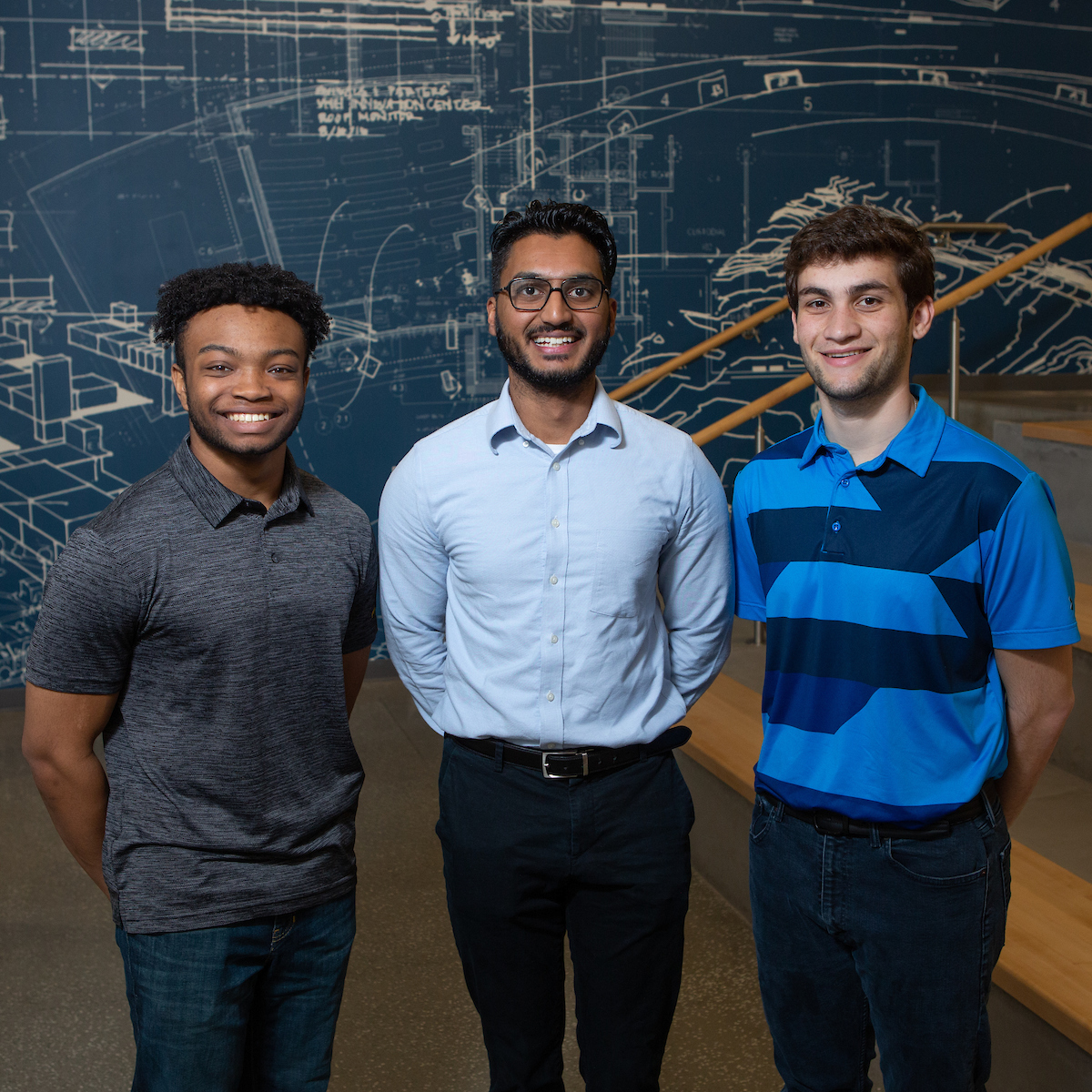
Florencio Carmenate, Jordan Thevenot, and Wahdat Abbas-Rizvi
Dr. David Harding
Dr. Kristine Horvat, Assistant Professor of Chemical Engineering
Department of Chemistry and Chemical & Biomedical Engineering
To design, build, and upgrade the Continuous Stir Tank Reactor (CSTR) located in the Chemical Engineering Laboratory. The project aims to reinstate the CSTR to a state of functionality to be used in future lab experiments. The reactor should be able to perform multiple experiments for multiple purposes and will include computer-based process control.
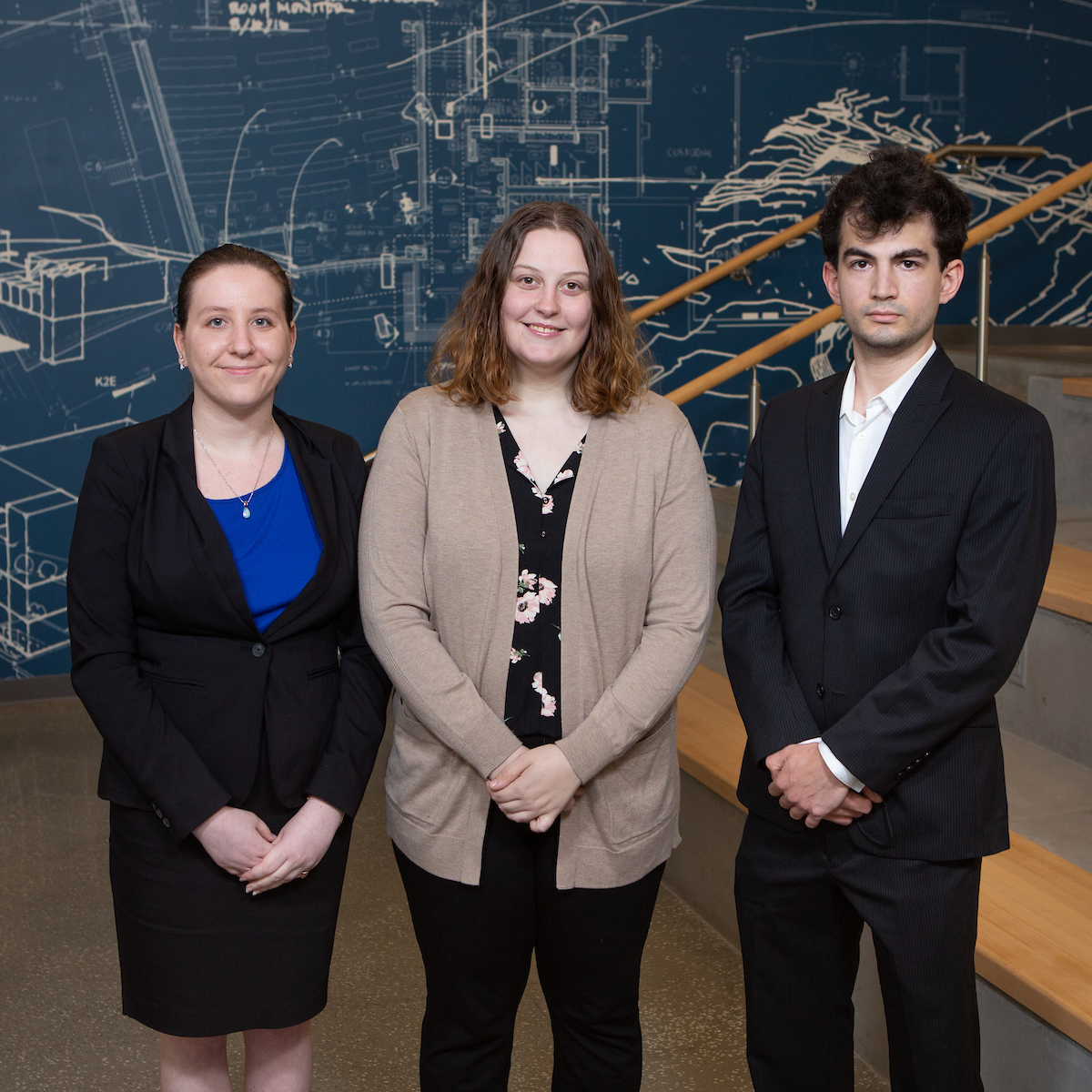
Kara Capaccio, Elizabeth Cavanaugh, and Dylan Gresl
Dr. David Harding
To develop a preliminary design for a compact liquid fuel processing system that can produce high-purity hydrogen for use in a PEM fuel cell used to power an automobile. A CHEMCAD simulation will be created in the design of the fuel processing system in addition to research on oil reforming methods, catalysts, and liquid fuel sources. Analysis will also be done to determine the net positive energy output and to determine a reasonable cost for the proposed design. Additional factors to consider when selecting a fuel include environmental impact and availability of materials.
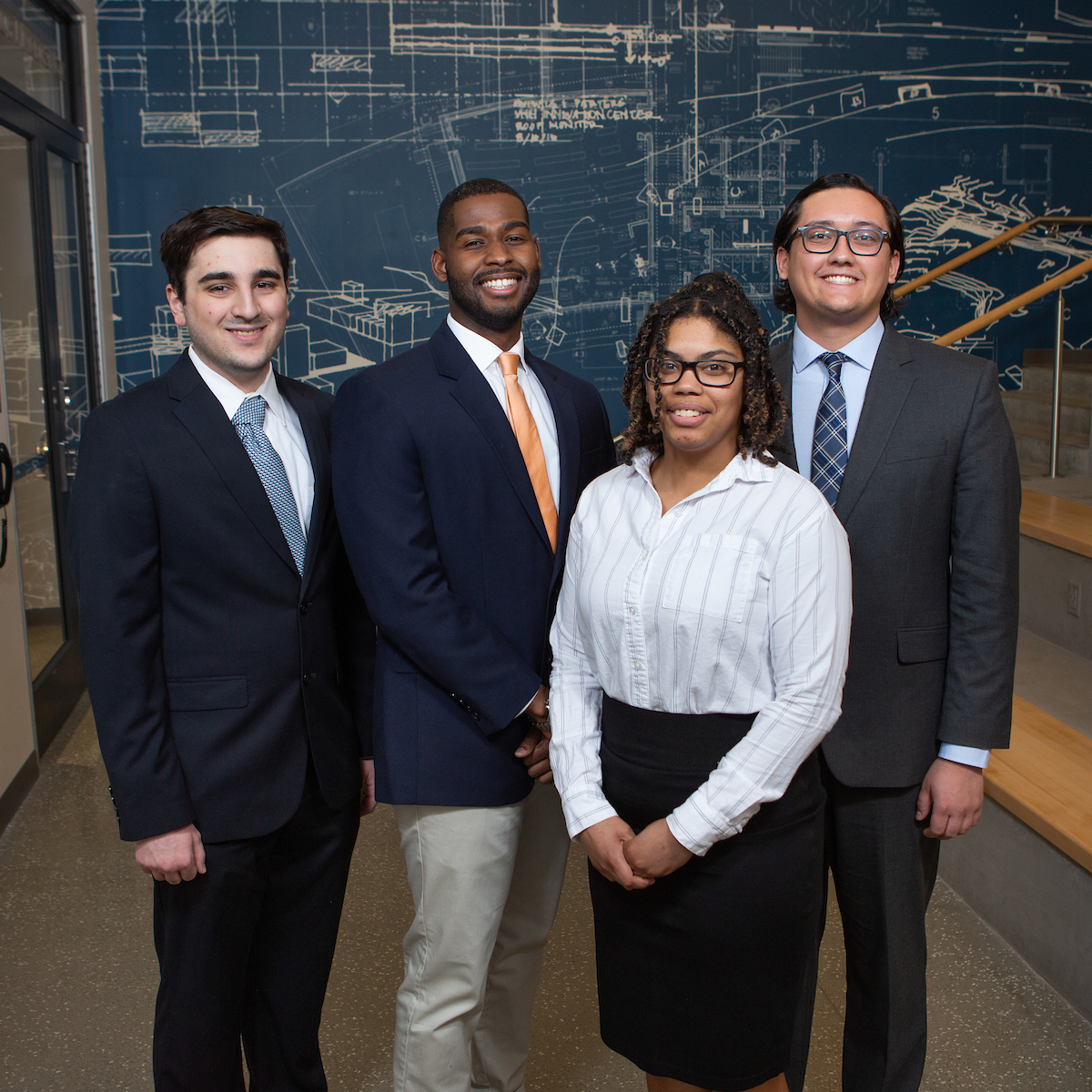
Raymundo Bigalbal, Giancarlo Consiglio, Eric-Michel David, and Carmen Pochet
Drs. Jean Nocito-Gobel and Frankie Ouyang
Mr. Cody Savoy, Mr. Lawrence Marcik, and Mr. Orville Kelly, Regional Water Authority (RWA)
Regional Water Authority (RWA) – providing customers with high-quality water and services at a reasonable cost while promoting the preservation of watershed lands and aquifers
To design and build a cofferdam to assist in the rehabilitation of the Lake Whitney Dam. The cofferdam will temporarily drain the area of the lake near the existing dam. The team will design and analyze the cofferdam to make it cost effective while maintaining its structural integrity, make it easily constructible and removable, and minimize its impact on the environment and on local wildlife. The cofferdam will have to allow room for a bypass so that the water flow is not interrupted for the nearby water treatment facility.
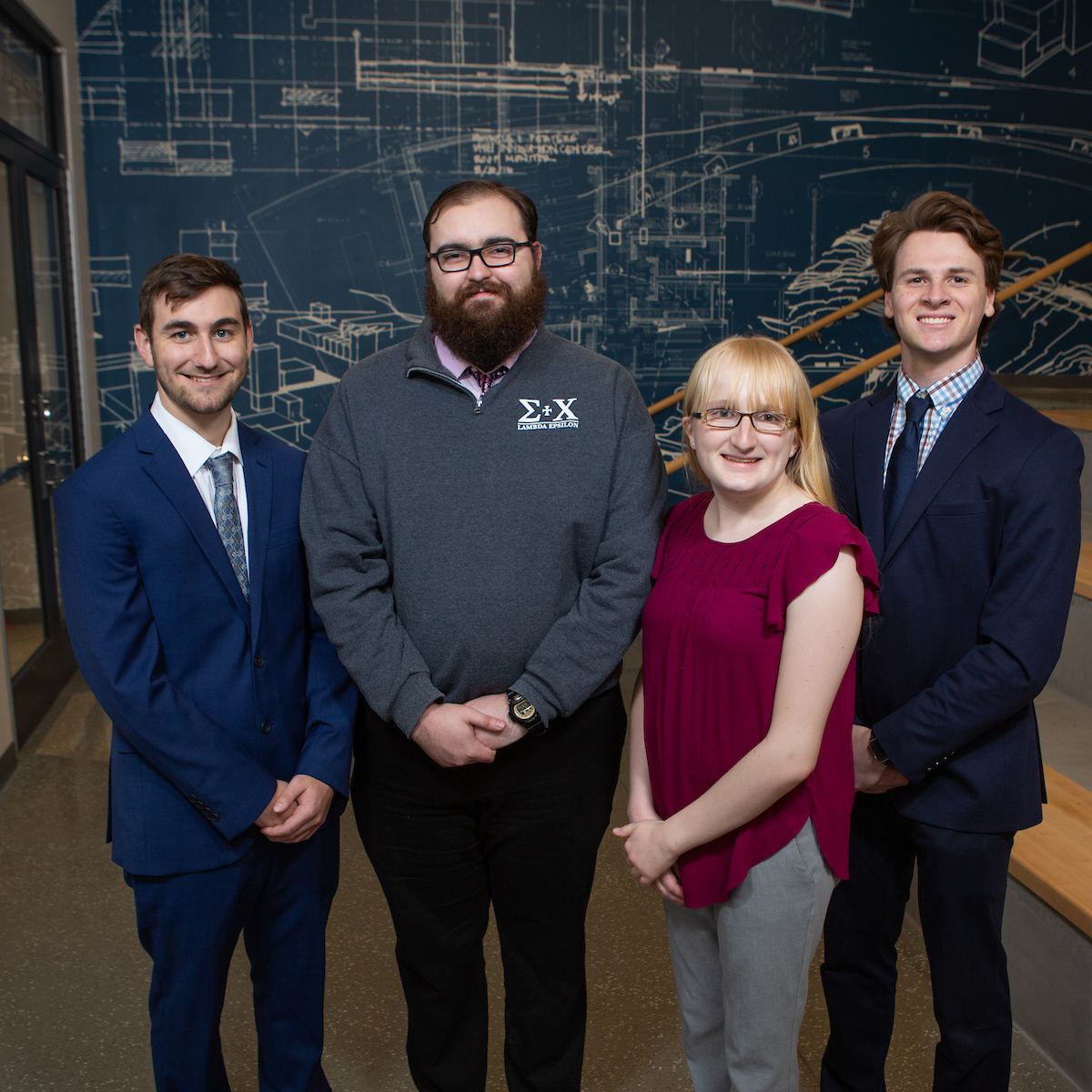
Nick Leftin, Logan Cole, Justin Rocco, and Willa Roberts
Dr. Jean Nocito-Gobel
Mr. Mark Austin, Town Engineer, Town of Hamden
Town of Hamden Engineering Department – designer and overseer of various types of construction improvements, including storm drainage, roads, sidewalks, and infrastructure projects.
To update the drainage analysis to the current climate model while acknowledging and minimizing disturbance to the environmental remediation area and the impacted soils. Implement no-dig technology as much as practical/possible. This was a previous $6 million dollar project, but with new environmental regulations, improvement options, and possibilities considered, the project cost will be higher. The team will design the site improvements using methods in reports and other nationally available standards.
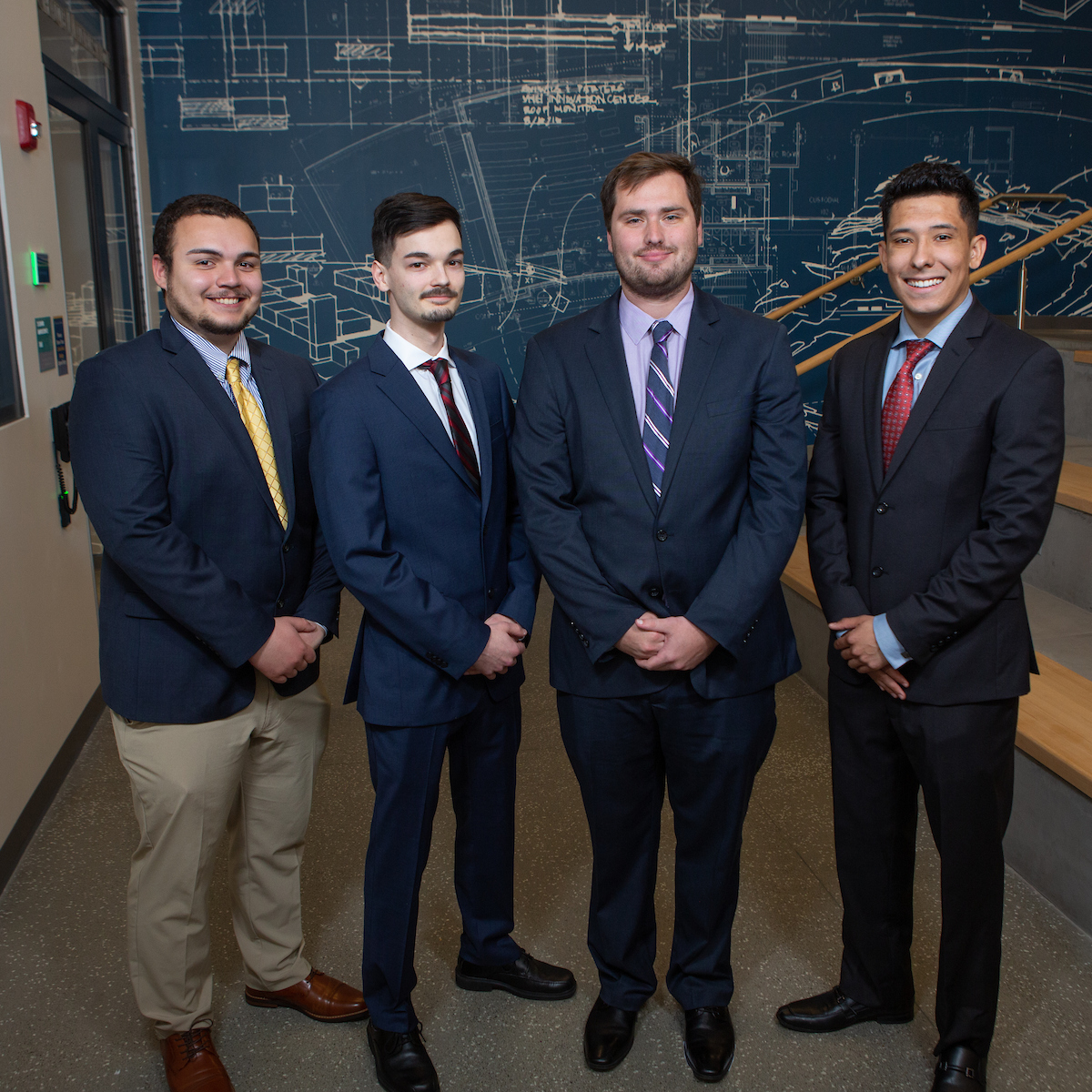
Juan Tobon, Greg Marmorowski, William Sipos, and Christian Camargo
Dr. Goli Nossoni
Mr. Mark Austin, Town Engineer, Town of Hamden
Town of Hamden Engineering Department – designer and overseer of various types of construction improvements, including storm drainage, roads, sidewalks, and infrastructure projects.
To design a new fire station that can properly serve the larger Hamden area with few limitations to its serviceability. The location of the fire station is predetermined. Design of the structural components will comply with CT State Building Code and associated specifications.
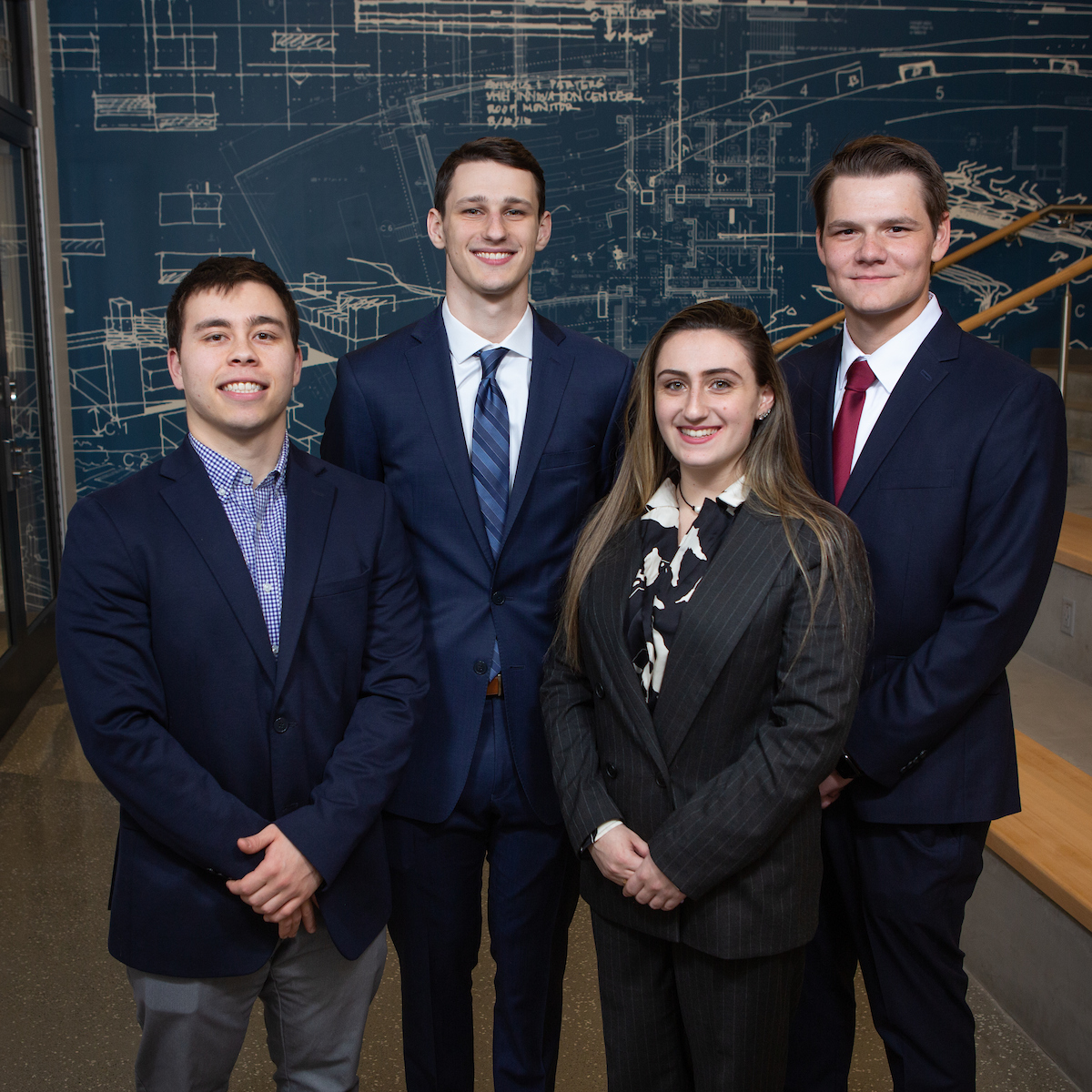
Elissa Nuzzo, Robert Sweet, Jake Chamberlain, and Justin Stelmach
Mr. Joseph Balskus
Mr. Mark Austin, Town Engineer, Town of Hamden
Town of Hamden Engineering Department – designer and overseer of various types of construction improvements, including storm drainage, roads, sidewalks, and infrastructure projects.
To improve traffic-calming measures and redesign traffic lights on Mix Avenue to create fluidity through its intersection. Synchro will be used for the simulation, and the simulation will provide a fully automated sequence displaying a visual representation of the improvements to motorists, pedestrians, and cyclists.
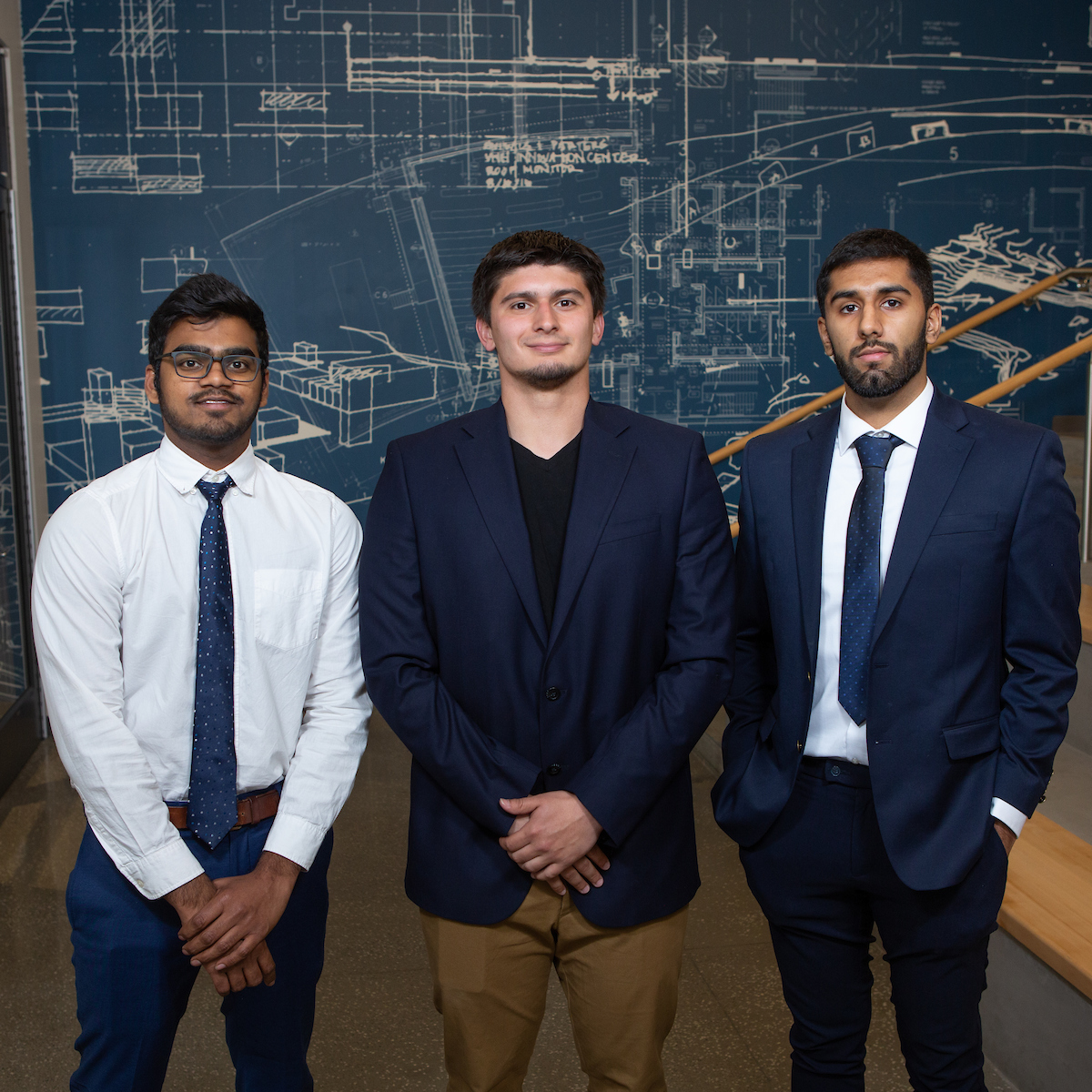
Ubaid Ghaffar, Rahul Yellina, and Steve Martino
Dr. Byungik Chang
Ignasha Cassod, Prompti Technologies
Town of Hamden Engineering Department – designer and overseer of various types of construction improvements, including storm drainage, roads, sidewalks, and infrastructure projects.
To determine a suitable location for the tower and design a tower with sufficient clearance to provide efficient transmission of signals. The antenna will be used for long-reach ad hoc or emergency data transmission and utilize larger sized antennas which will require a structure to maintain directionality.
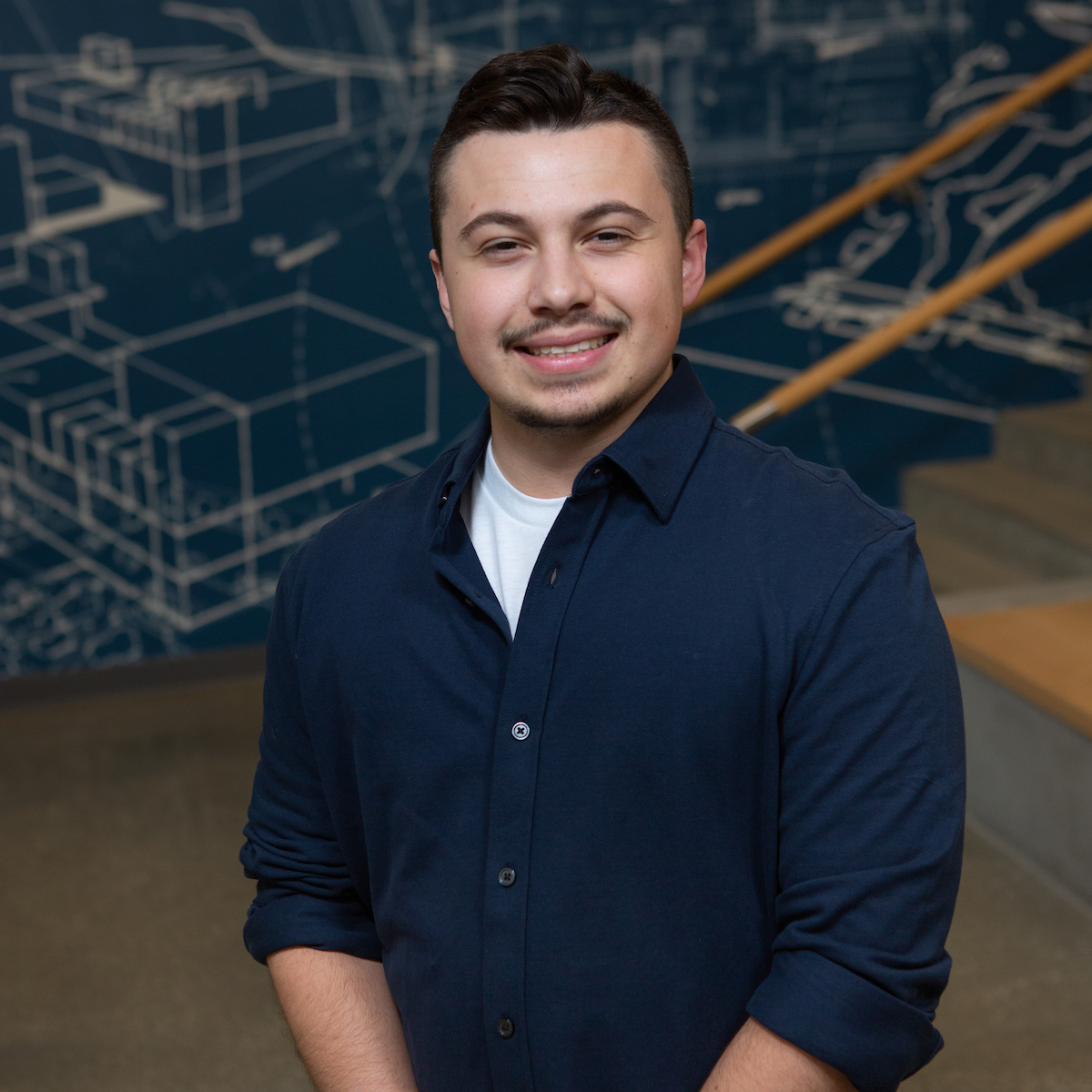
Joshua Rosado (Cybersecurity & Networks)
Dr. Mehdi Mekni
To increase the percentage of facial composite sketches that are using in criminal investigations and improve the percentage of accurate sketches to better identify active suspects in criminal cases. The application of Artificial Intelligence techniques and more specifically a generative tool that uses GPT-3 and Generative Adversarial Networks (GANs) to create renderings of human recognizable faces whose descriptions are extracted from witnesses and victims of a crime using Natural Language Processing (NLP).
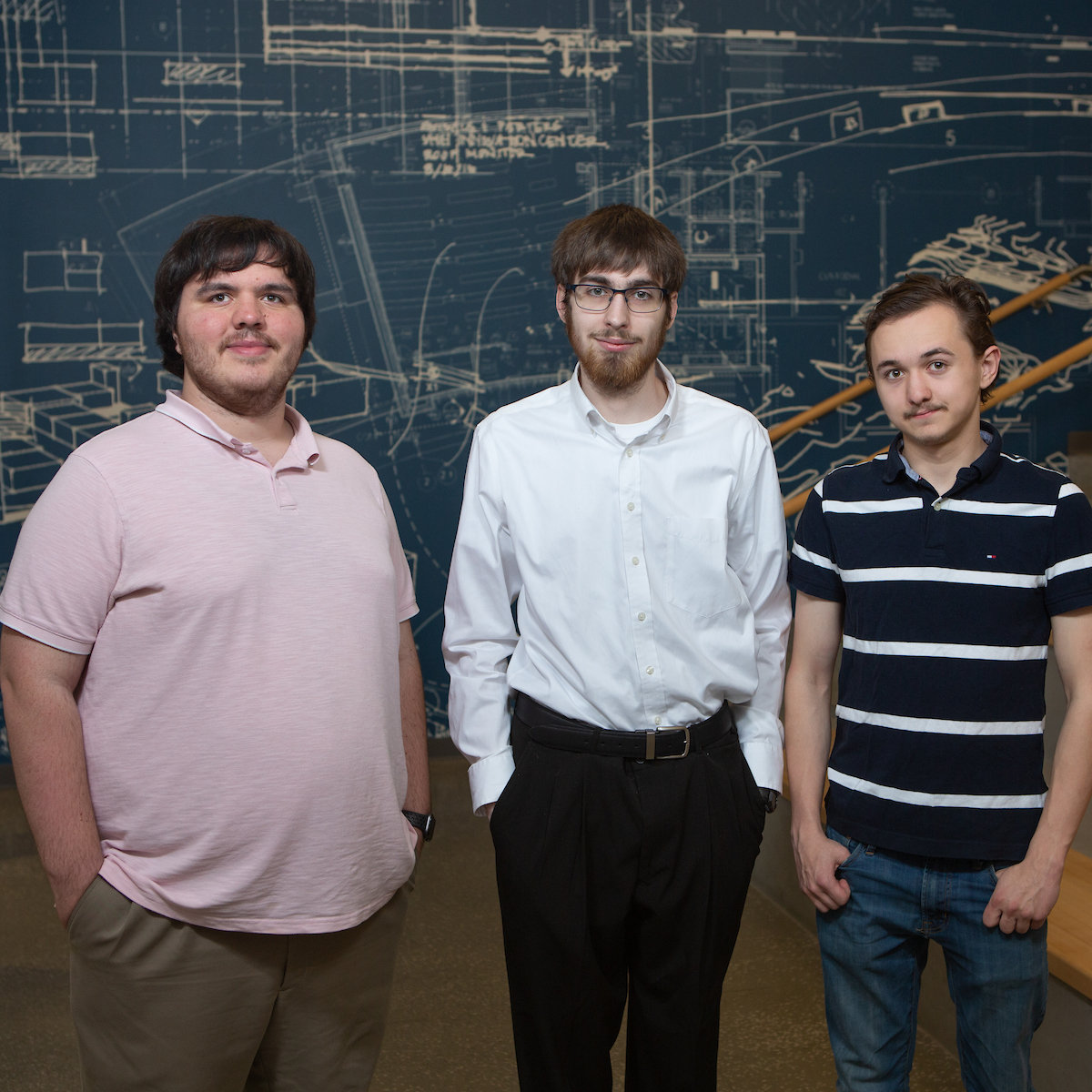
Charles Barone and Orion Duffy (Computer Science); Alexander Russello (Cybersecurity & Networks)
Dr. Mehdi Mekni
To propose an extended definition of continuous authentication within existing taxonomies to emphasize the fingerprinting of user activity on technological assets and define a new component of the authentication paradigm, “what you do.” As a proof of concept, a methodology for a utility that implements such a continuous authentication system based upon user activity data that is analyzed using Artificial Intelligence (AI) and Machine Learning (ML) is presented and assessed.
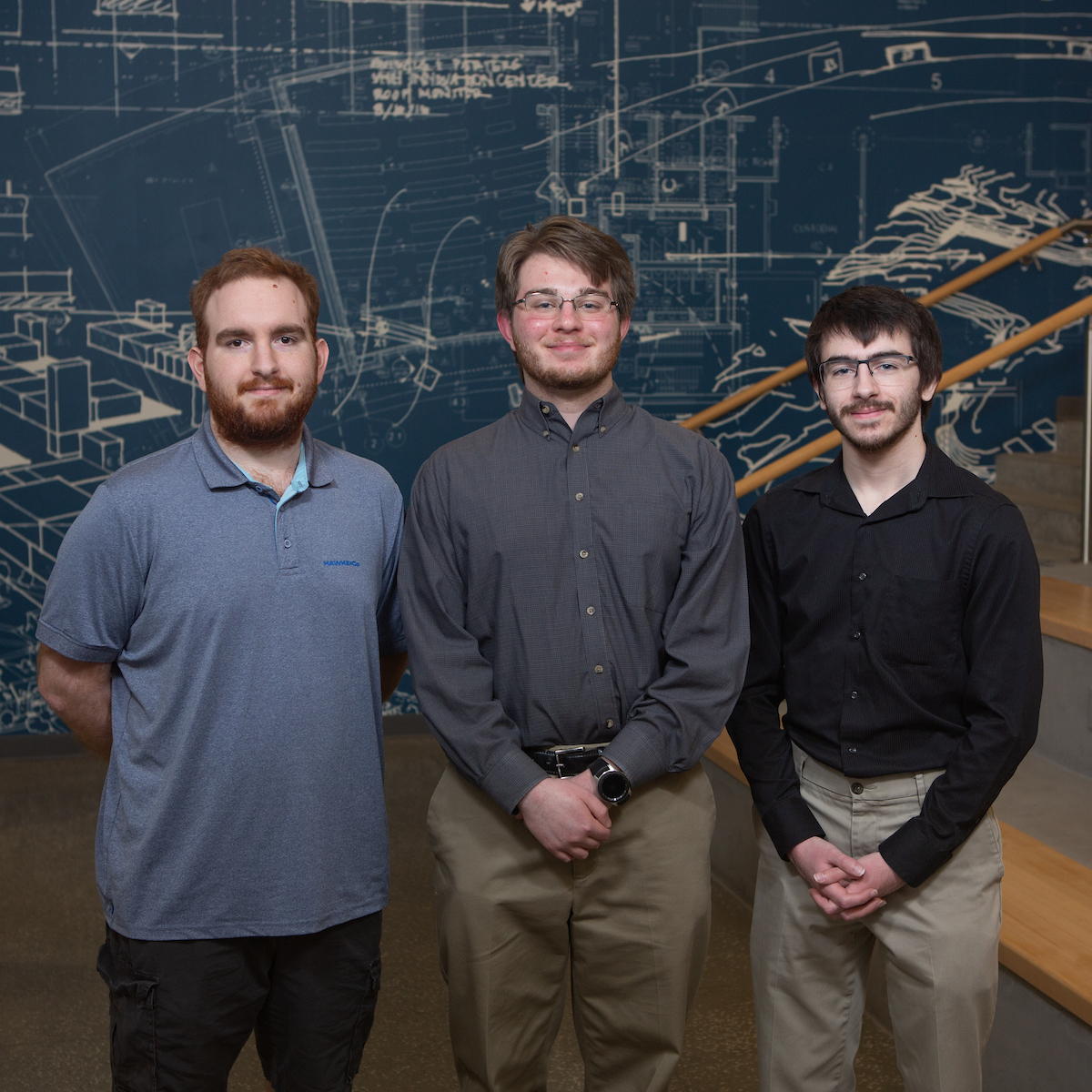
Joshua Bartholomew and Brandon Olah (Computer Science); Anthony Radziunas (Cybersecurity & Networks)
Dr. Mehdi Mekni
To study the feasibility of integrating machine learning techniques to enhance the Non-Playable Characters (NPCs) behavior and make the gameplay evolutive and more “fun”. In current video game development, the behavior of NPCs is oversimplified, insufficient, and rigid. Inevitably, this leads to predictable and similar actions being taken to overcome the game’s challenges. Hence, the player can learn how to beat sections of the game repeatedly, causing a short lifespan for a game and a fast drop of its entertaining characteristics.
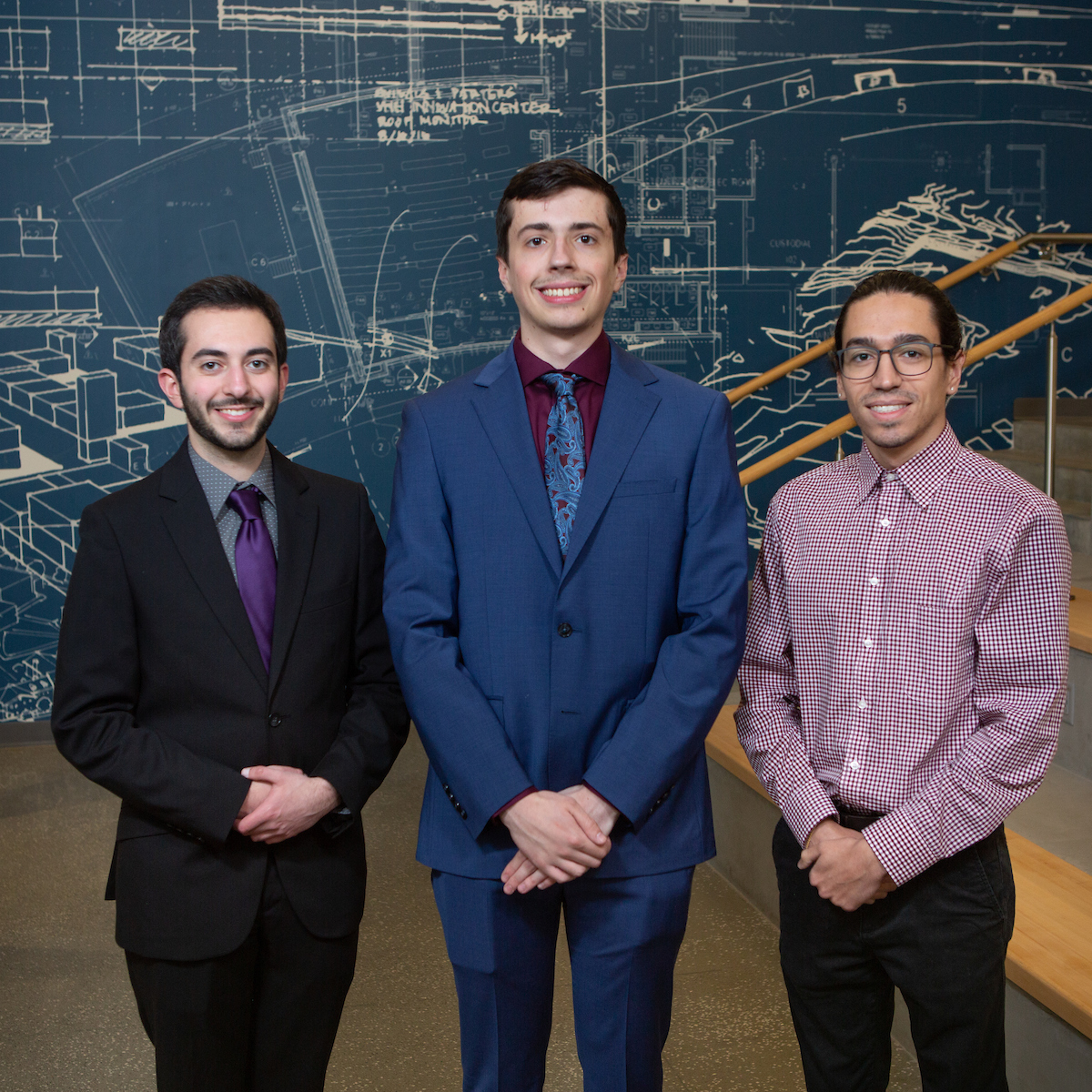
Benjamin Greenfield, Benjamin Placzek, and Steven Atilho (Computer Science)
Dr. Mehdi Mekni
To develop a real-time, intelligent parking system for campus that can track available parking space accurately, monitor parking occupancy, identify and recognize drivers’ behavioral patterns, and verifiy and validate license plates. The project will leverage advances in image processing, artificial intelligence, and computer visualization.
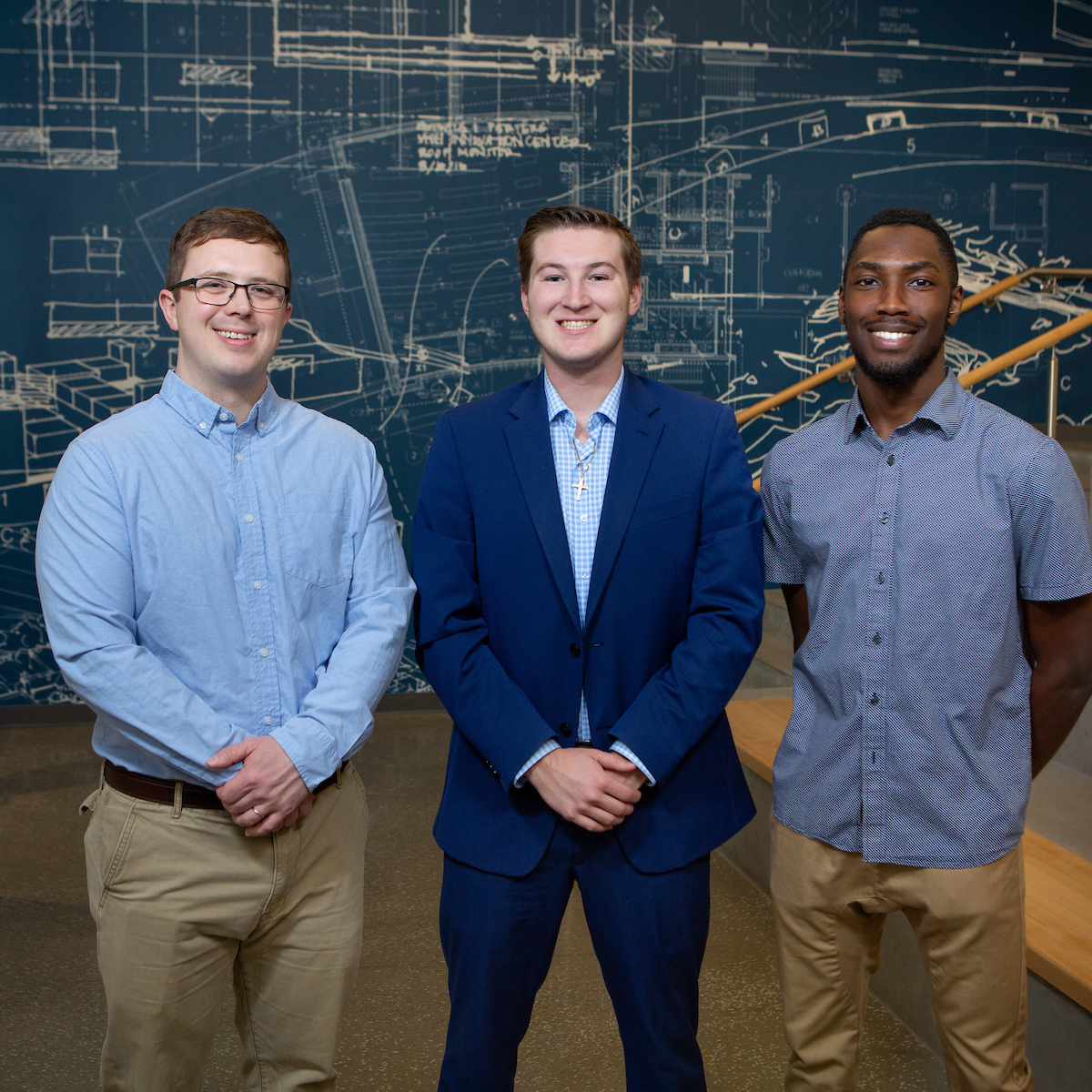
Jim Durante, Chris Howard, and Jason Smith (Computer Science)
Dr. Mehdi Mekni
To push the boundaries of game play by enabling interactive player immersion in the virtual game world. We propose to study the integration of motor imagery brain-computer interface to increase player immersion in a virtual reality (VR) environment. To demonstrate the feasibility of our approach, we propose to design and develop a dedicate new 3D game. The game play will involve actions controlled by motor imagery brain-computer interface using a mobile electroencephalography brain-wear device and a VR headset.
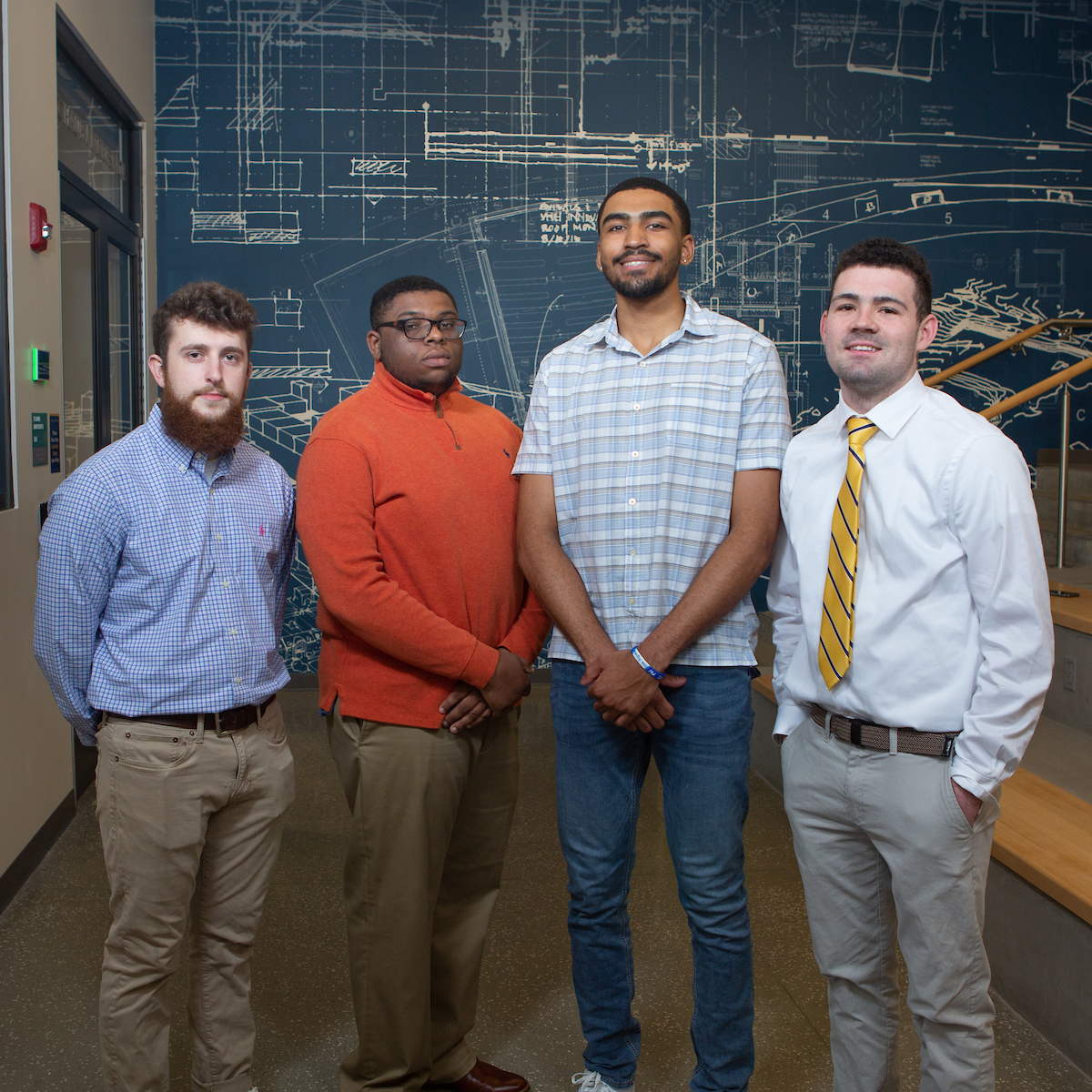
Colin Dunn, Antonio Lopez, Ruffus Stewart, Karl Volk (Cybersecurity & Networks)
Dr. Amir Esmailpour
To design and build an enterprise network for Omni Hotels using WAN and LAN networks. The main goal of the network design is to increase network performance and scalability. The project is based on knowledge obtained from four years at the University of New Haven as students studying Cybersecurity and Networks students.
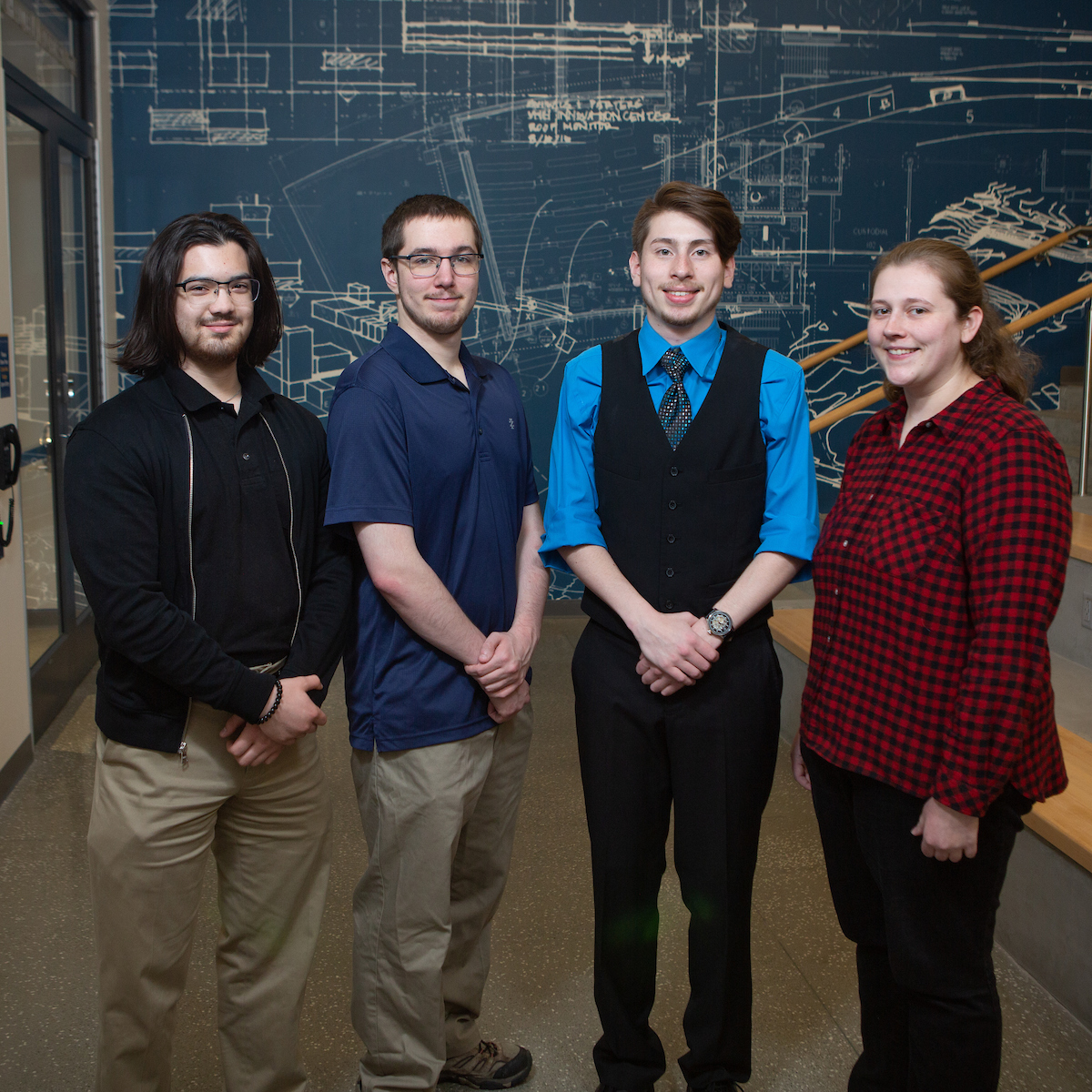
Andrew Manfredi, Hayley Smith, Brandon Trundy, Michael Wheeler (Cybersecurity & Networks)
Dr. Amir Esmailpour
To supply a robust network solution for The Grocery Store Co. and all its locations. The planned network infrastructure to be implemented will handle any on-site office(s), Point of Sale System (PoS), inventory management, security systems, Internet of Things (IoT) Systems, and public Wi-Fi access. The overarching network will also have an off-site web service hosted for online traffic relating to The Grocery Store Co.
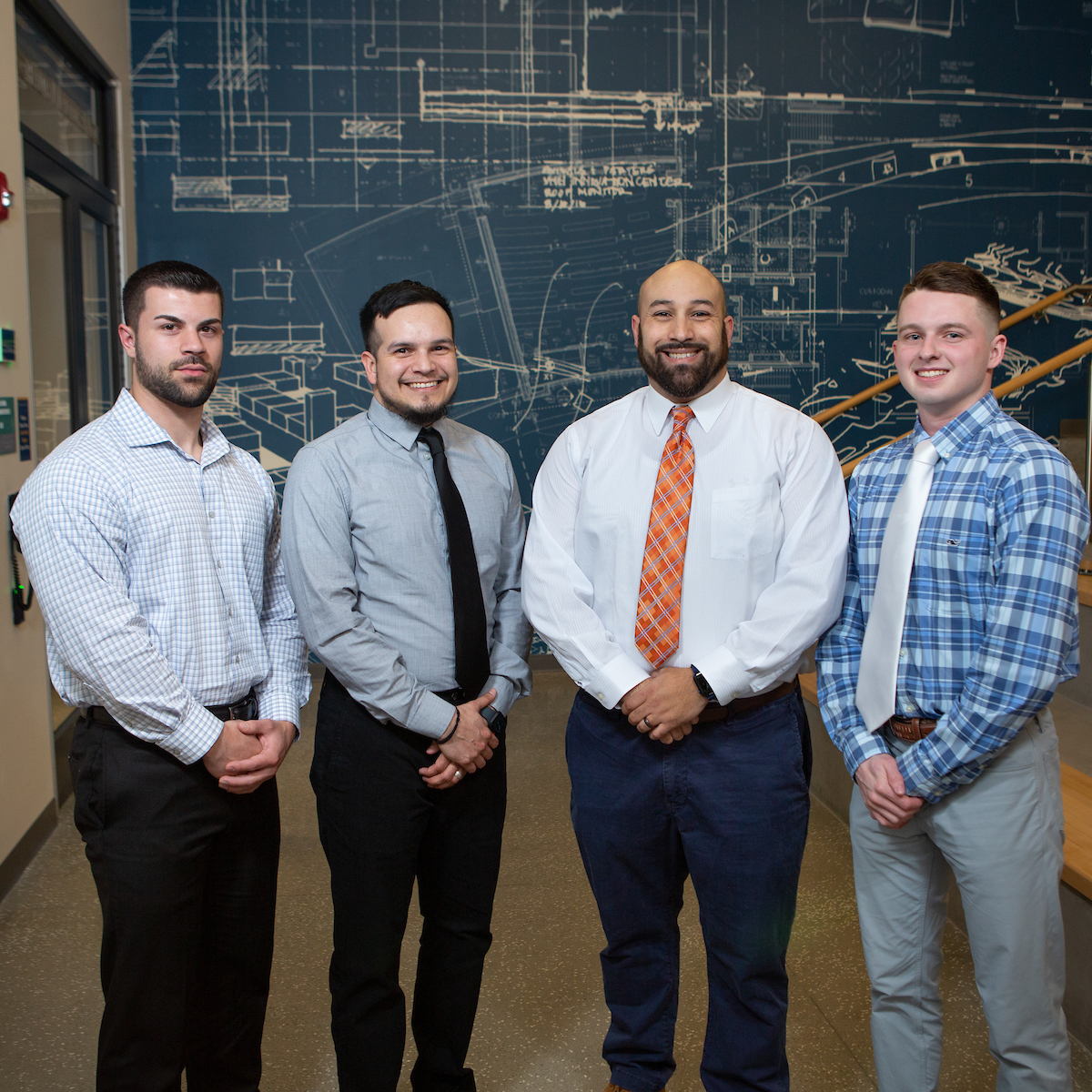
Brian McKee, Matt Muro, Tomas Rios, and Joel Velez (Cybersecurity & Networks)
Dr. Amir Esmailpour
Chris Kaiser, Director of Information Technology, Town of New Canaan
Town of New Canaan – Providing network information and device hardware to implement their network
To design and improve upon the Town of New Canaan’s existing WAN/LAN enterprise network. The Town of New Canaan has a semiannual budget that is used to upgrade systems or purchase new hardware. For our project, we are looking at affordable upgrades that could be made to the existing network to provide better security and more reliable connections. We also are exploring options for possible upgrades if a larger budget was allotted.
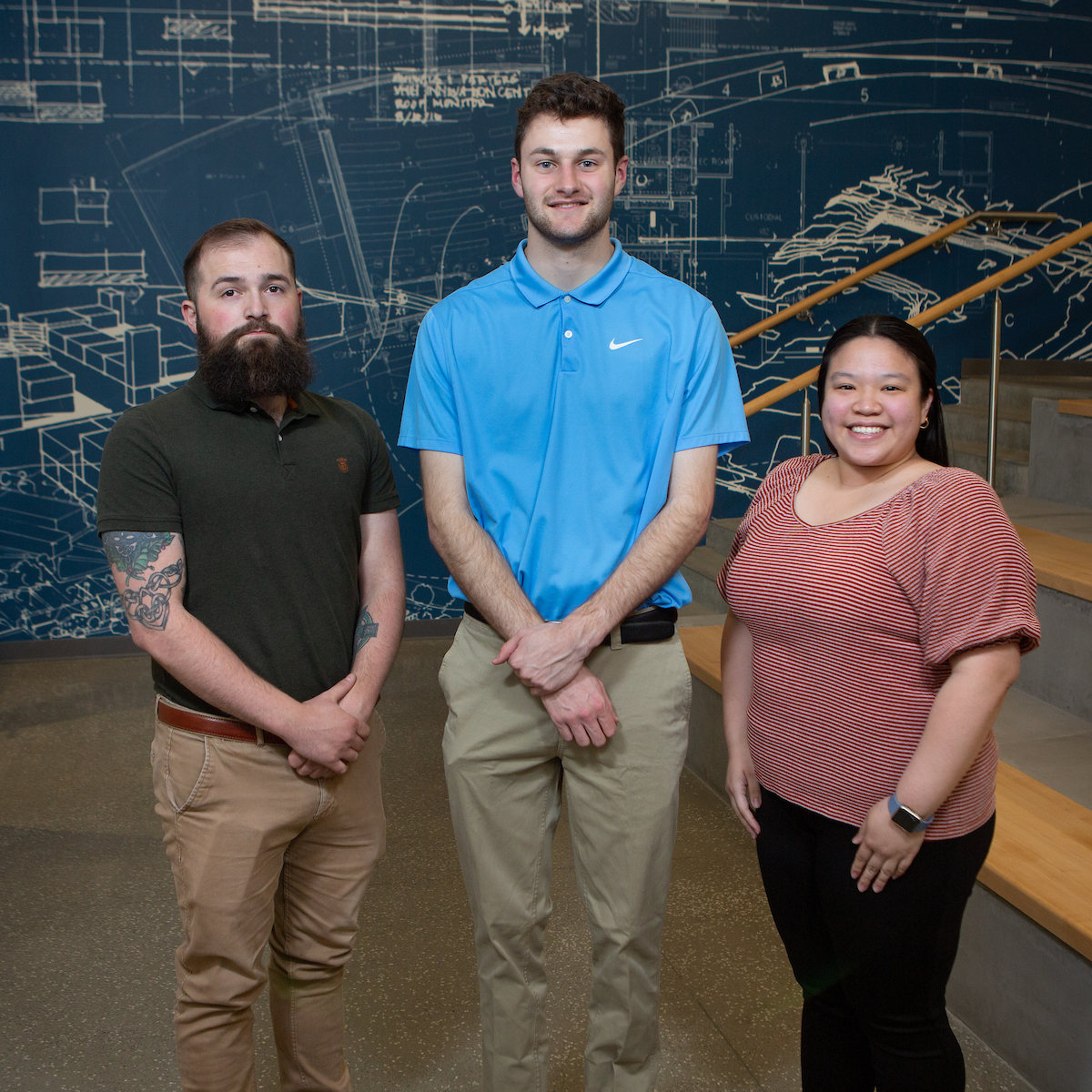
Trey Avery, William Gaghan, and Marianne Loo (Electrical Engineering)
Dr. Mohsen Sarraf
University of New Haven
To design and a build a system that will detect and alert the owner (via text) that a stove is operating when it is not supposed to be. The project seeks to create an automated safety feature that could be implemented on any gas-powered stove. The alert system will operate in parallel with an automated shutoff and detection system.
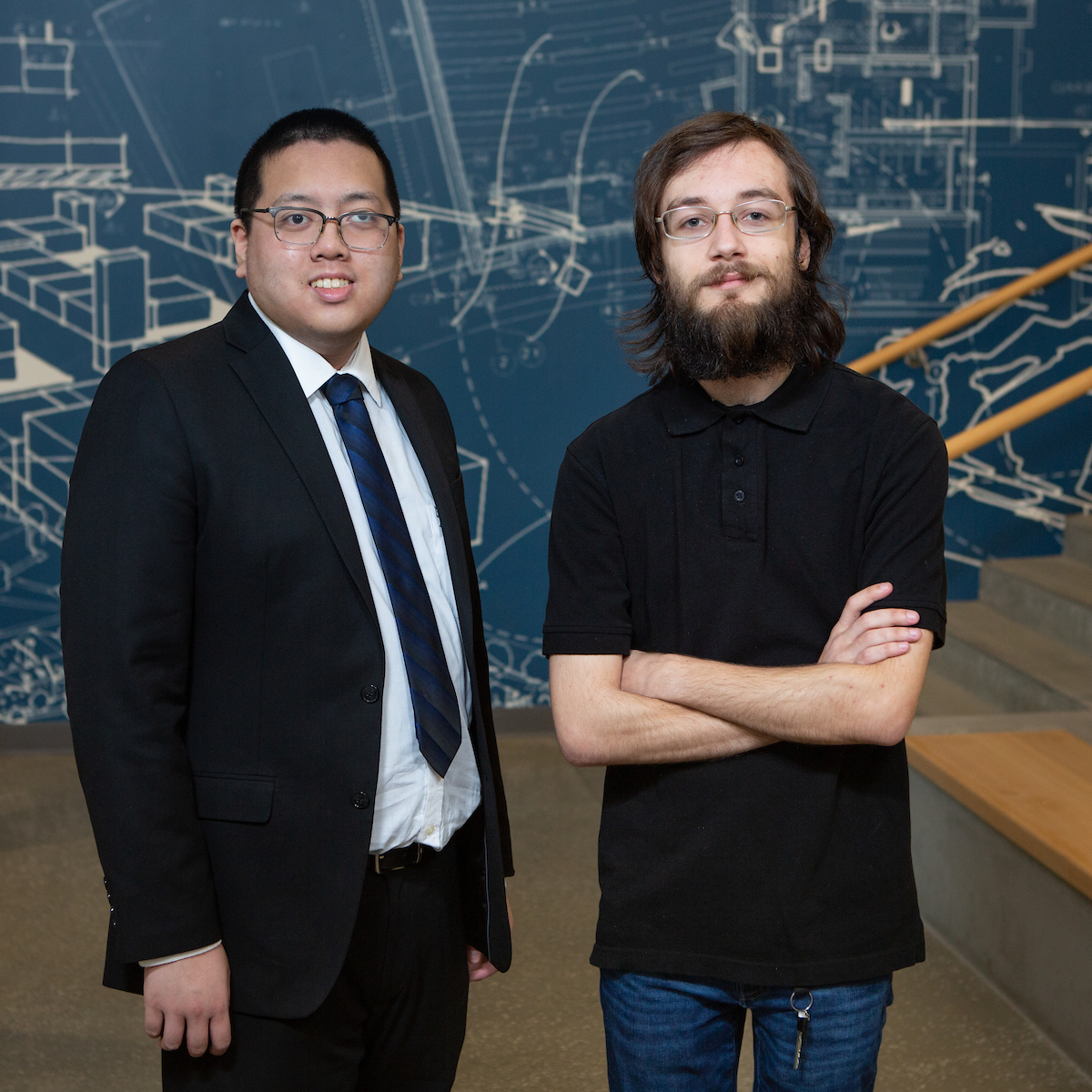
Peter Luong (Computer Engineering); Spencer Hopwood (Electrical Engineering)
Dr. Mohsen Sarraf
ECECS Department, University of New Haven
To produce a compact, self-contained, automated media player device for use in professional environments. This device is intended to be cheap, simple, and easily repairable using off-the-shelf hardware. The intention is to produce a device that will replace aging hardware in professional audio applications, while still interfacing well with existing systems and workflows. An emphasis on usability and reliability are emphasized due to the intended professional application.
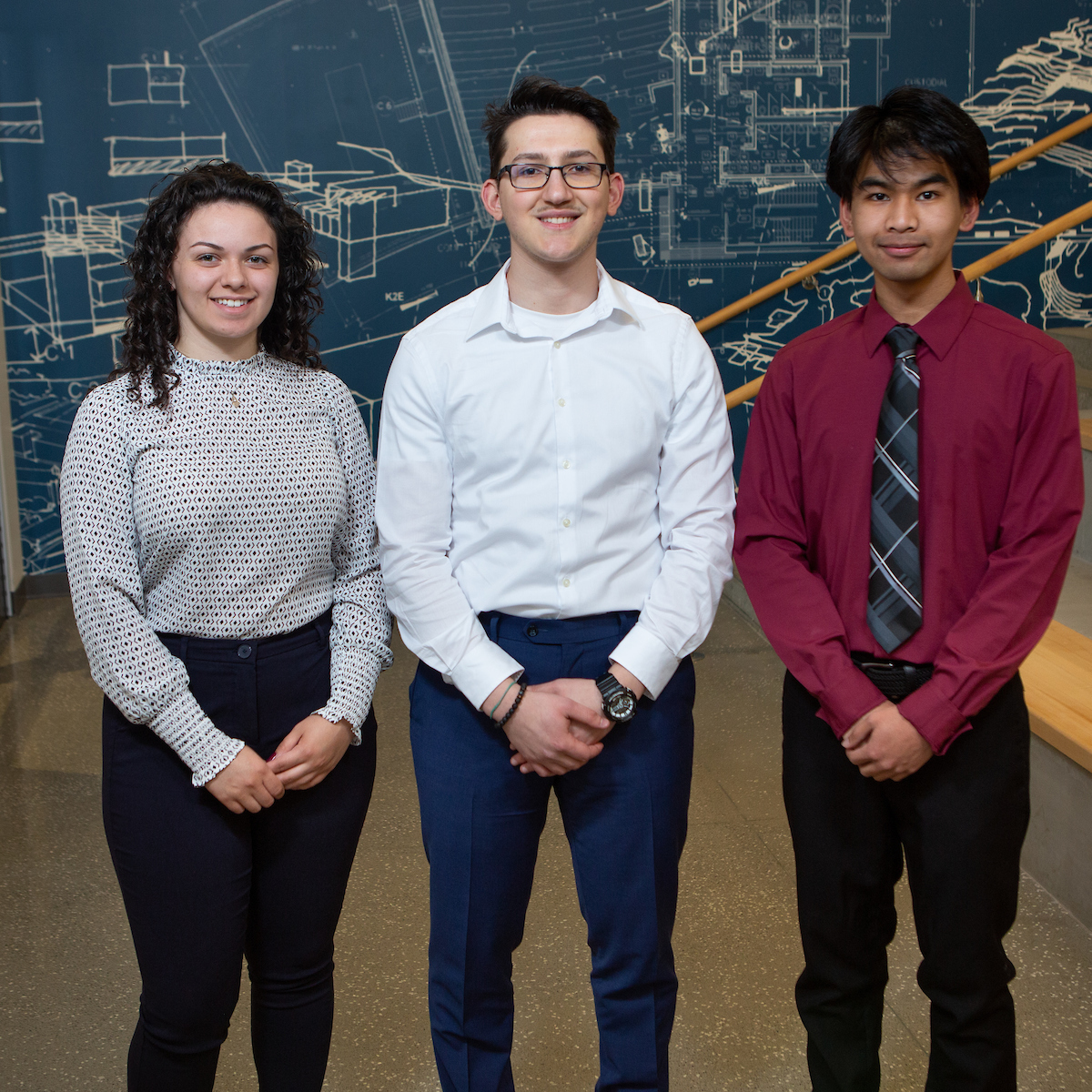
Salah LaTulippe, Erl Abayao, and Malvin Emin (Computer Engineering)
Dr. Mohsen Sarraf
Electrical & Computer Engineering and Computer Scinece Department, University of New Haven
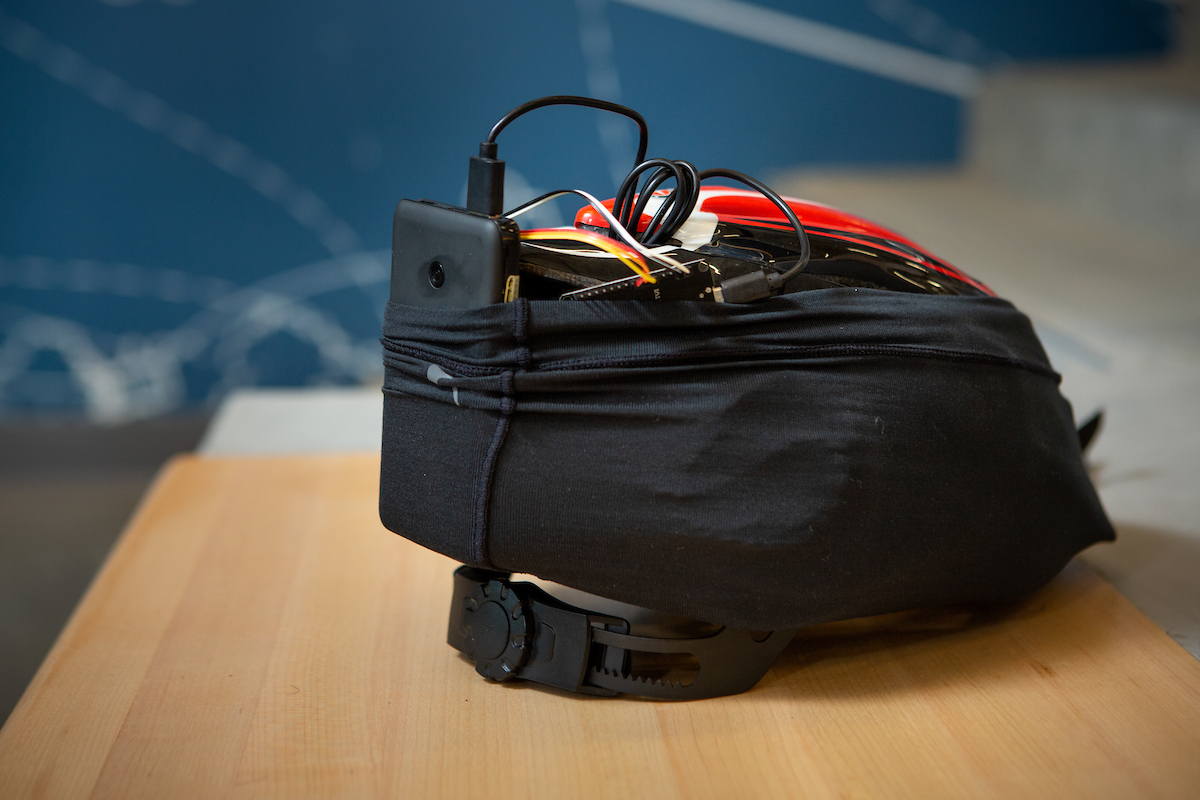
To create a unique framework for a Smart Helmet that will incorporate, but will not be limited to, bone conduction audio, a microphone, and an accelerometer. After pairing a Bluetooth device to the helmet, a user can listen to music and navigation apps via bone conduction without placing anything over or in their ears. A microphone can be used for hands-free communication such as voice calls, Siri, Google Voice, etc. An accelerometer will be used for fall detection and will potentially alert emergency contacts or services if a fall is detected. The project seeks to provide a safer and more enjoyable travel experience for a user without restricting any of their primary senses.
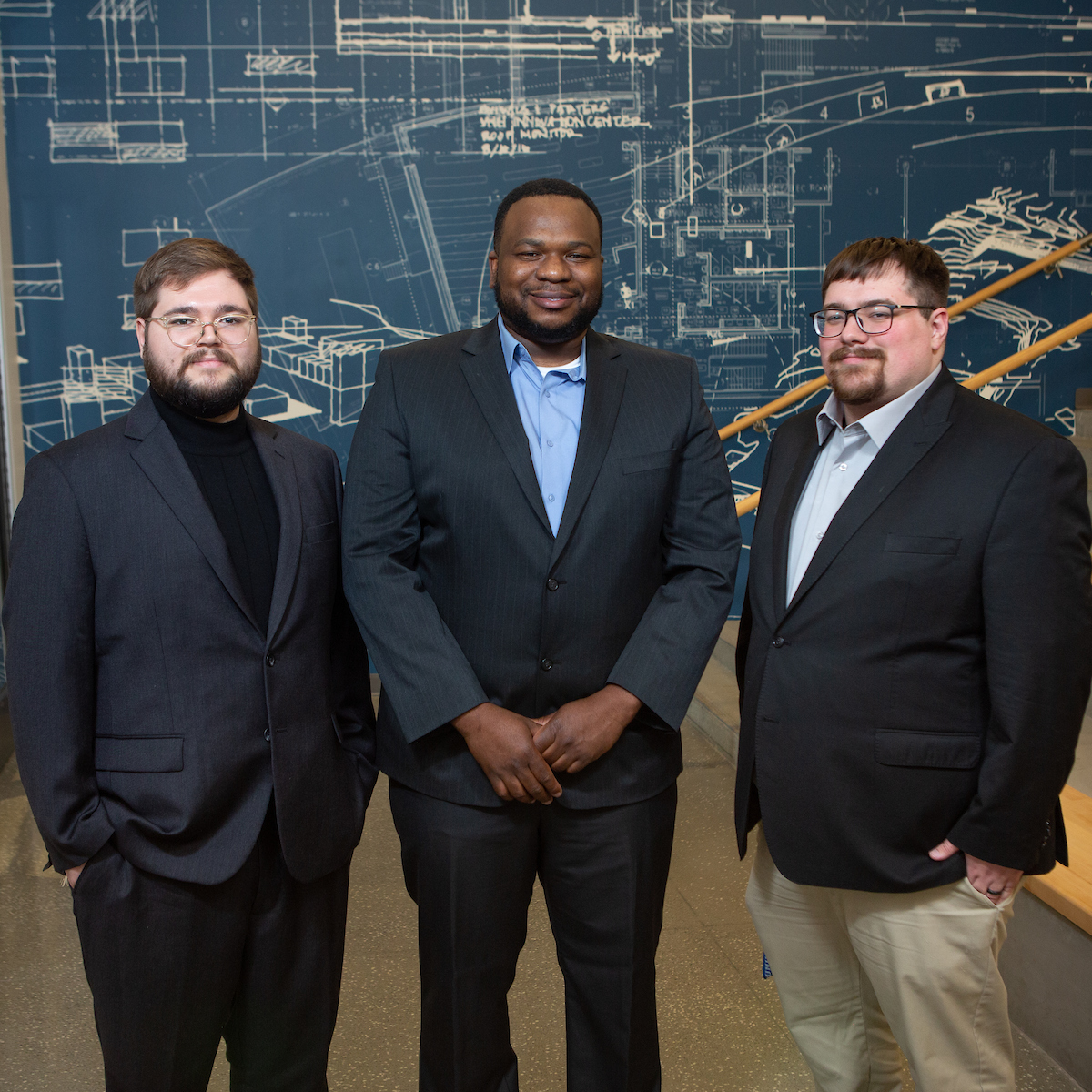
Richard Allen and Damion Francis, Electrical Engineering; and Sangye Sherpa and Ryan Capozziello, Computer Engineering
Dr. Mohsen Sarraf
To design and build a handheld device that works as a network simulator that will connect to two devices and apply various conditions to a connection between two devices and monitor how the devices respond. The device will be able to apply jitter, throttle, random packet loss, and consistent packet loss. The device will allow the user to view the IP packets through Wireshark and then be able to test how the devices respond to various conditions.
Stacey Butterazzi, Allison Sawicki, and C.J. Westbrook
Dr. Ismail Orabi
Mr. Ted Langevin, Lead Automation Engineer, IMH
The Lee Company – designer and builder of state-of-the-art products that exceed customers' expectations for utility, performance and quality.
To redesign and build a precision flow test bench that would measure the orifice Lohm rate at specified pressures for various restrictors. The project seeks to improve upon the current system that the company uses for testing so that workers can perform single-orifice testing quickly and accurately and then store the resulting data. The main objectives of the project are to retain the same functionality as the current test in the design, update the data collection system so that it is automated, improve the water flow system to reduce the wait times, and ensure the entire test is operable from one room.
Viktor Biblekaj, John Ziolko, and Jared Blue
Dr. Ismail Orabi
Mr. Jackson Sarneski-Hayes, Senior Product Engineer, Heim Bearings; Mr. Daniel Gonzales, Product Engineer, Heim Bearings
RBC Heim – provider of global industrial, aerospace, and defense customers with unique design solutions to complex problems and an unparalleled level of service, quality, and support.
To design and build a radial clearance gauge fixture that accurately measures the radial clearance between the ball and race while accurately representing the applied reversible load. The gauge device must be as lightweight, durable, and portable, and able to measure without very low bearing deflection or damage.
Darren Brumberg, Nicholas DeAndrea, and Hunter Duffy
Dr. Ismail Orabi
Mr. William Welsh, Senior Technical Fellow
Sikorsky, A Lockheed Martin Company – a global leader in supporting customers’ missions, strengthening security and advancing scientific discovery.
To create and demonstrate the operation of an experimental rotor test rig in order to develop a proof-of-concept for Sikorsky A Lockheed Martin Company. The project intends to investigate the feasibility of implementing a force generation device to a helicopter tail rotor to create a force for turning. To achieve this, a rig complete with several instrumentation devices will be designed alongside the tip device to create and detect a force of 200 lbf. Supporting instrumentation devices will also record supplemental data such as actuator stroke, three-axis acceleration, rotor speed, and rig temperature.
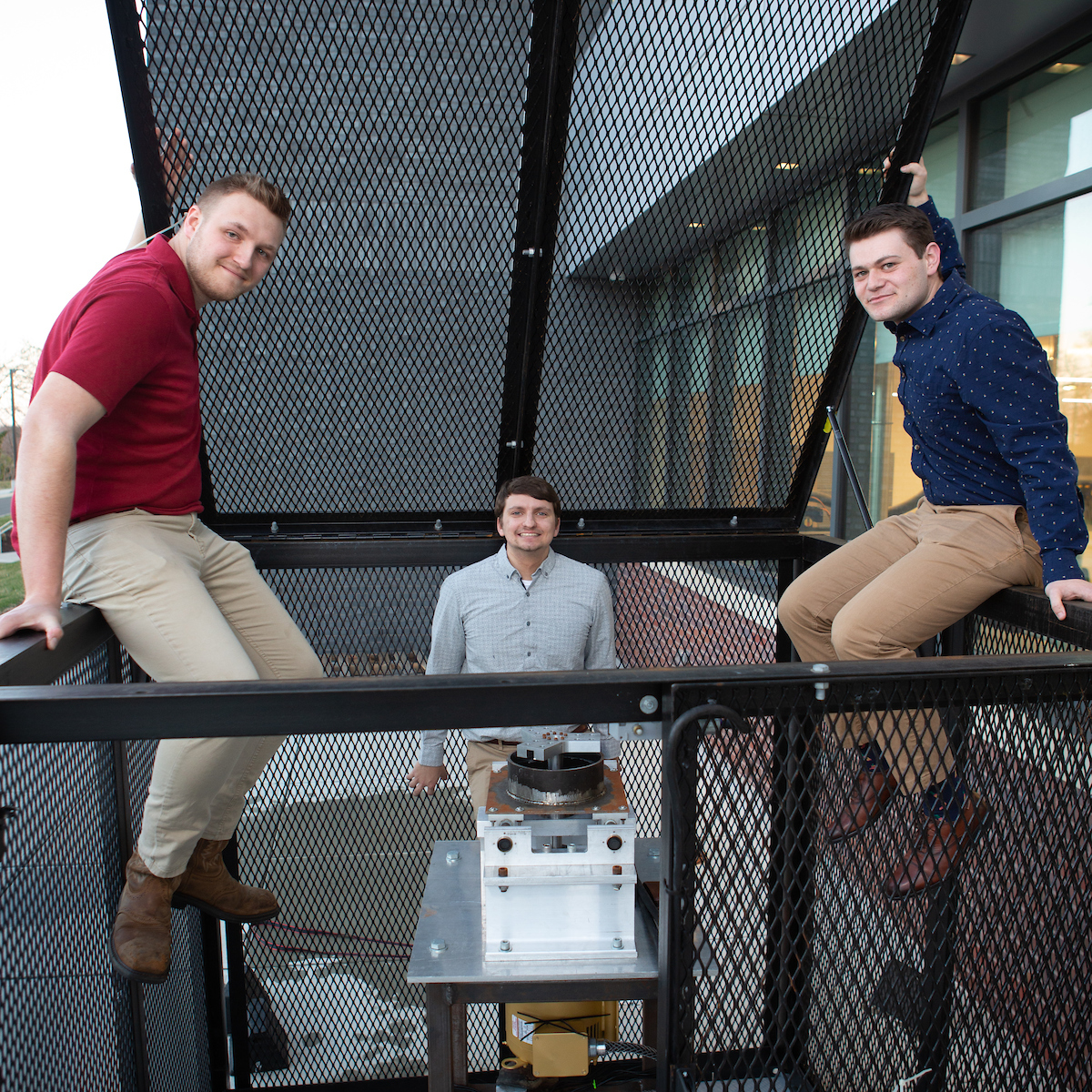
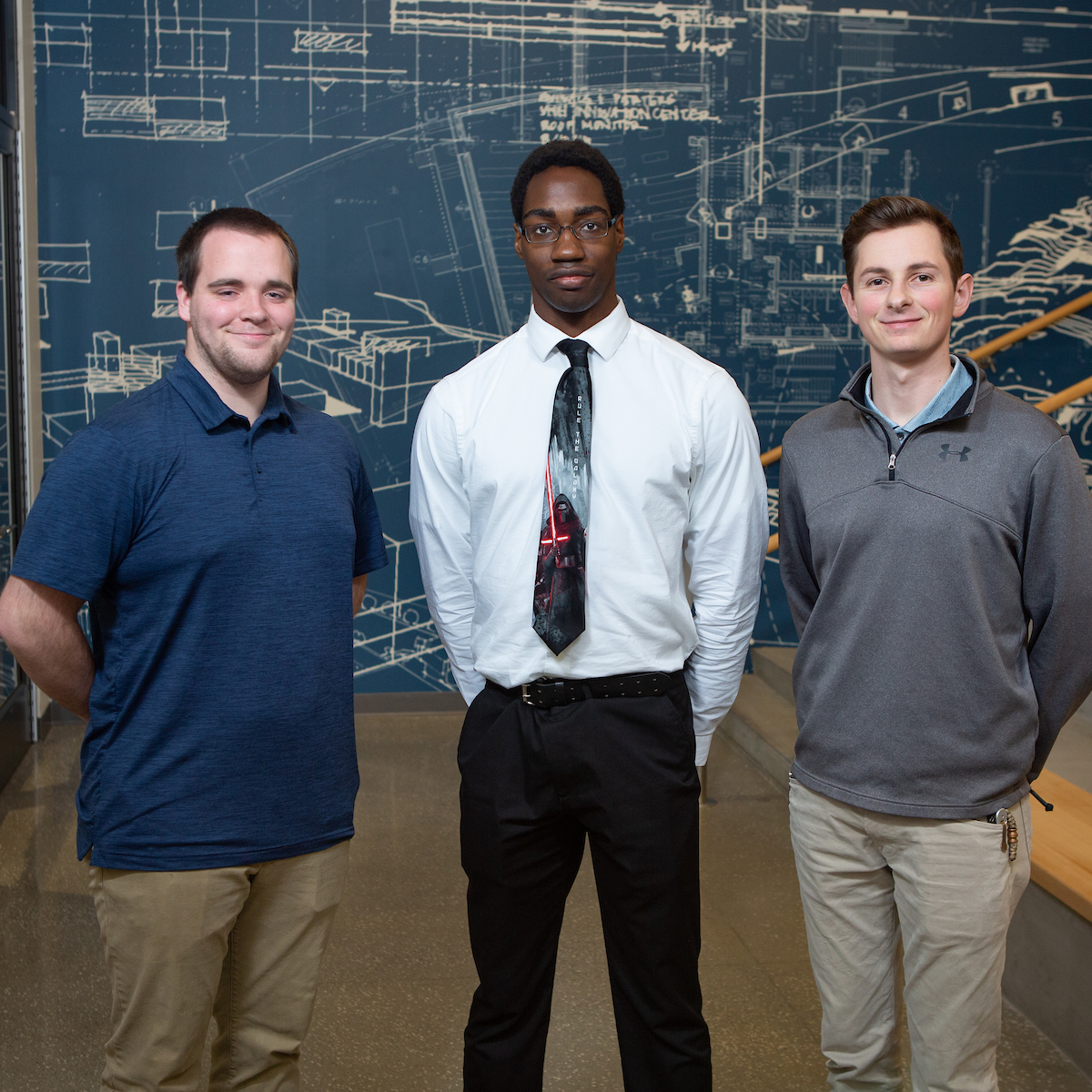
Jelani Herbert, Tyler Hackett, and Jacob Corley
Dr. Ismail Orabi
Mr. Kasra Fatemi, Tooling Engineer, Edgewell Inc.
Edgewell Personal Care – a trailblazing personal care company that leverages its employees’ creativity and passion to challenge convention and drive growth.
To design a new core and cavity block by implementing innovative conformal cooling methods that can be printed using a new 3D printer. Parts are created in a molding block by injection molding and then cooled by conformal cooling channels within the mold. Comparison between the redesigned mold block and original mold block is necessary to justify the use of the proposed model. Edgewell has provided strict design criteria, including an increase in heat transfer, reduced warpage, and reduced time to produce a solid handle.
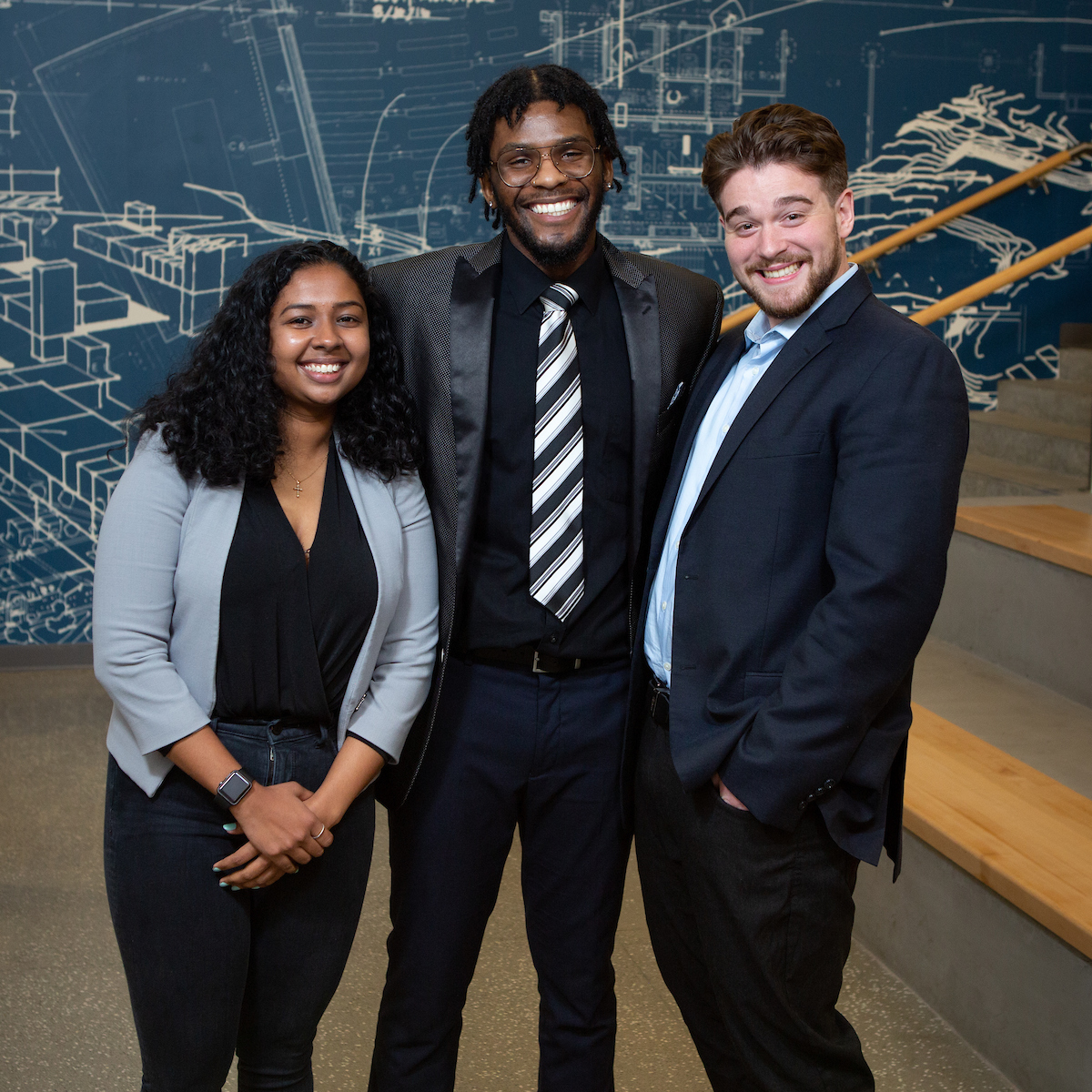
Demetrius Holliman, Devika Singh, and John Luffman
Dr. Ismail Orabi
Ms. Victoria Ouellette, Manufacturing Engineer II, Medtronic PLC
Medtronic – a global leader in medical technology, services, and solutions.
To redesign the current proprietary release mechanism located inside the distal portion of the anvil that releases the buttress after firing. The new design should be cost effective and less complex than the design now in use. The current buttress material is attached to the cartridge and anvil via sutures. The release mechanism adds extra cost and makes the design too complex to manufacture efficiently. If needed, the cartridge may be redesigned to support the anvil redesign.
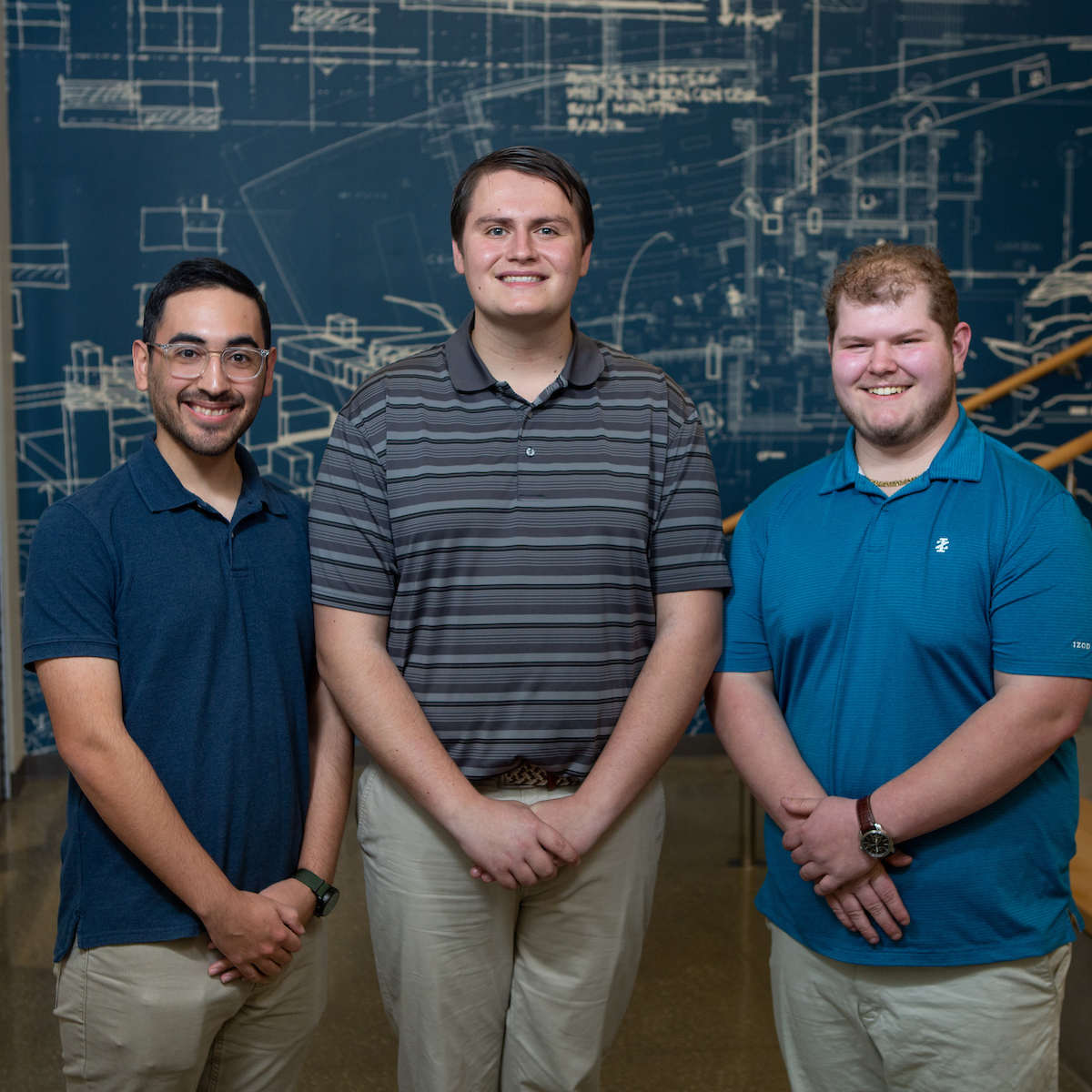
Peter Herasimovich, Sebastian Prieto, and Christopher Root
Dr. Ismail Orabi
Mr. Joseph Miranda, Mechanical Design Engineer and Mr. Matthew Lovell, Systems Engineer
Collins Aerospace – specialists in aerostructures, avionics, interiors, mechanical systems, mission systems, and power and control systems across the aerospace industry.
To develop a method of characterizing and predicting pressure drop through metallic foam within a single bed of a thermal amine canister. Make predictions with a supplied bed configuration, then design a layout that optimizes the flow to reduce pressure drop. Build two test beds, one baseline and one geometrically optimized design, and perform pressure drop testing to compare with analytical predictions. The optimized design should utilize the same number of beads and amount of foam volume as well as reduce the pressure drop measured from the baseline design.
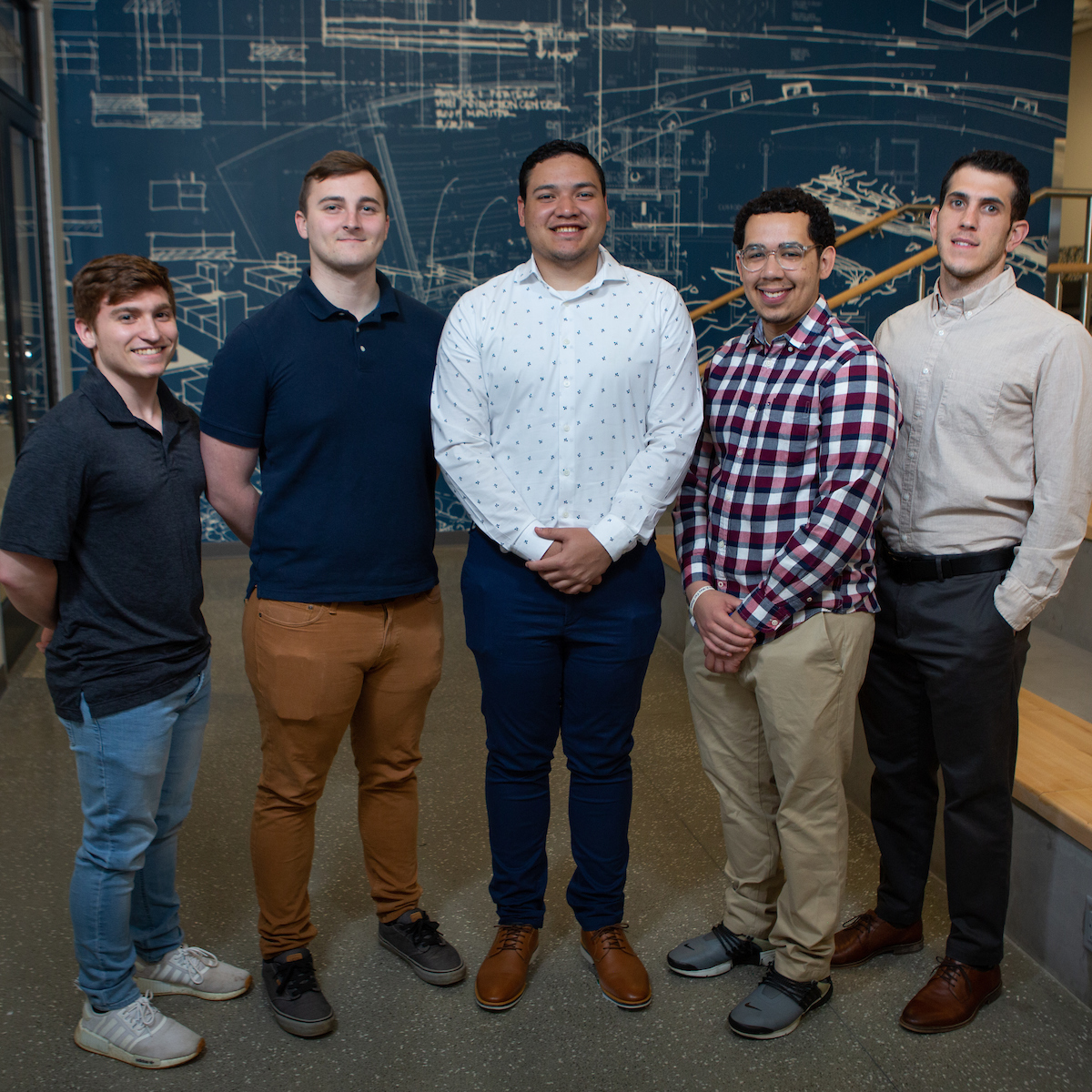
Jesse Espinal and Alexander Vita (Electrical Engineering); Emilio Rivera (Chemical Engineering); Christopher Follen and Tom Vojta (Mechanical Engineering)
Dr. Joseph Levert
Dr. Chong Qiu
National Science Foundation – an independent federal agency with a mission to promote the progress of science; to advance the national health, prosperity, and welfare; to secure the national defense; and for other purposes.
To build an automated air monitoring station for use at remote locations such as bus stations and rooftops. This air monitor station will house sensors that measure NOx, ozone, and particulate matter as well as monitor weather conditions such as temperature, relative humidity, and pressure. This station will be low-cost, be powered by renewable energy, and comply with any outdoor building codes. Data will be transmitted wirelessly and stored on a computing cloud. This station will enable future aerosol research as well as expand regional air quality data.
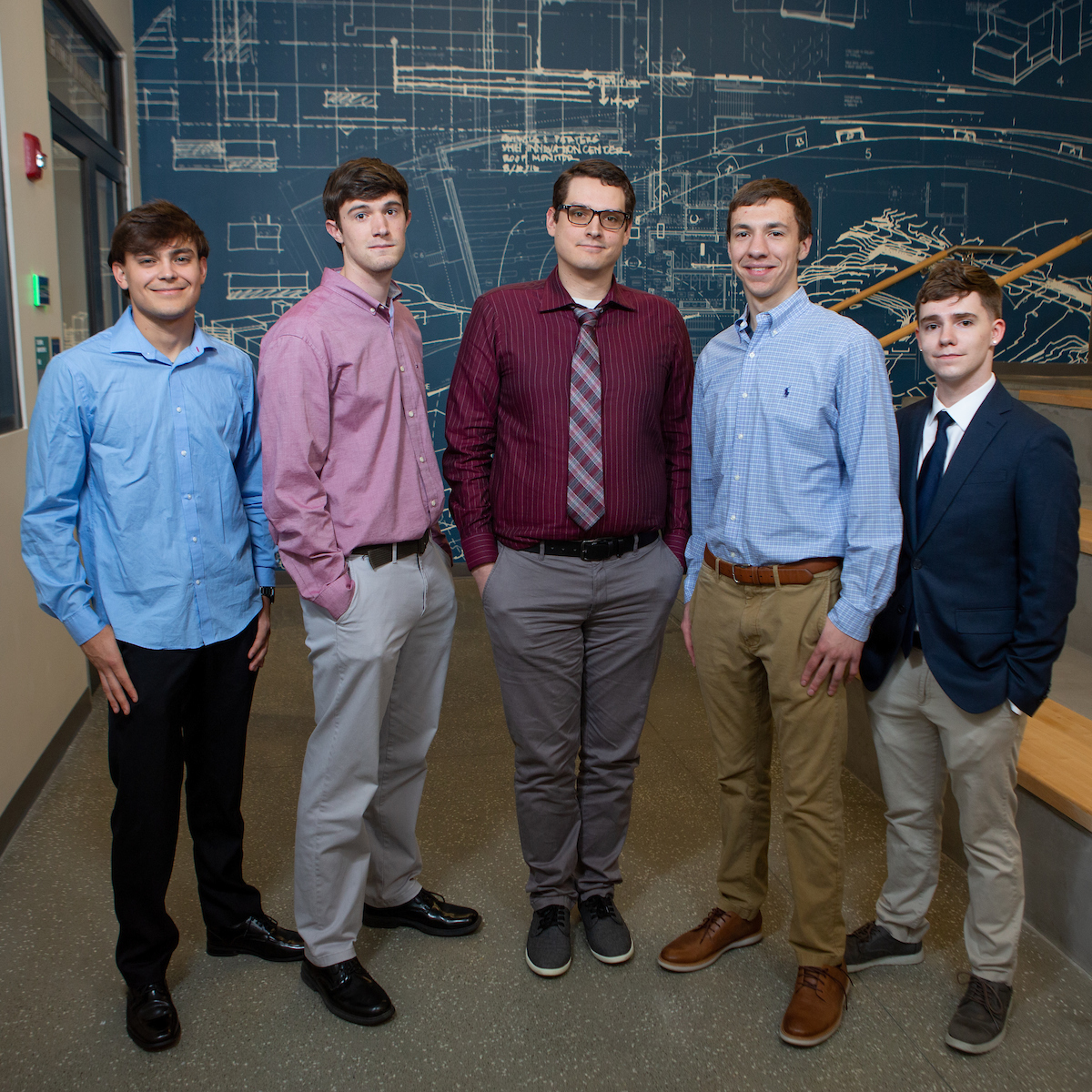
Ethan Koscinski and Nick Kern (Mechanical Engineering); Jacob Iwanicki, Andrew Amarante, and Nathan Grohoski (Electrical Engineering)
Dr. Mohsen Sarraf
Mr. Richard Cerniglia, Engineering Specialist/Engineering Supervisor
General Dynamics Electric Boat – a company that has established standards of excellence in the design, construction, and lifecycle support of submarines for the U.S. Navy.
To study the characterization of ultrasonic signal space in metal mediums to assess the bit rate performance of data transmission. Data transmitted through metallic walls will eliminate the costly procedure of drilling holes in boat hulls for electrical wires. Data signals should have a high bandwidth with exceptional detectability through increasing wall thicknesses and multiple media. Any apparatus used in this process should be easily deployable, with minimal invasiveness on the metallic structure to which it is attached to.
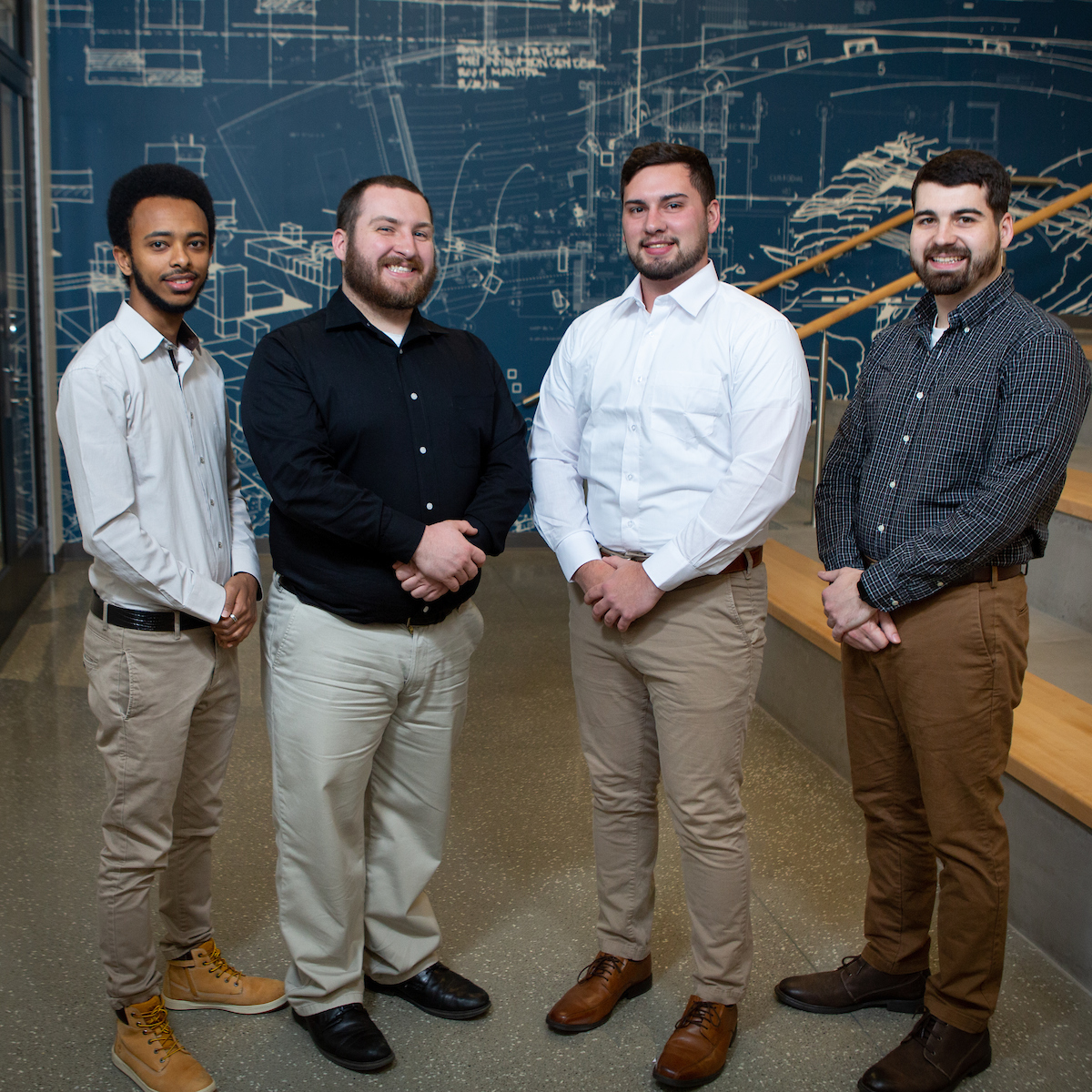
Matthew Ryan (Chemical Engineering); Wade Cardoza (Electrical Engineering); Gerald Sorensen and Kirubel Getu (Mechanical Engineering)
Dr. Joseph Levert
Dr. Chong Qiu
The National Science Foundation – an independent federal agency with a mission to promote the progress of science; to advance the national health, prosperity, and welfare; to secure the national defense; and for other purposes.
To design and build a testing apparatus for solenoid valves. The testing apparatus will be able to identify: if the solenoid control is functional in opening or closing the valve, if the valve is in a natural open or closed state when no power is being provided, and measure the gas flow through the valve to identify any leaks or improper sealing of the valve. The project will improve the user’s efficiency in testing solenoid valves and ensure that the valves will work in the existing apparatus without failure.
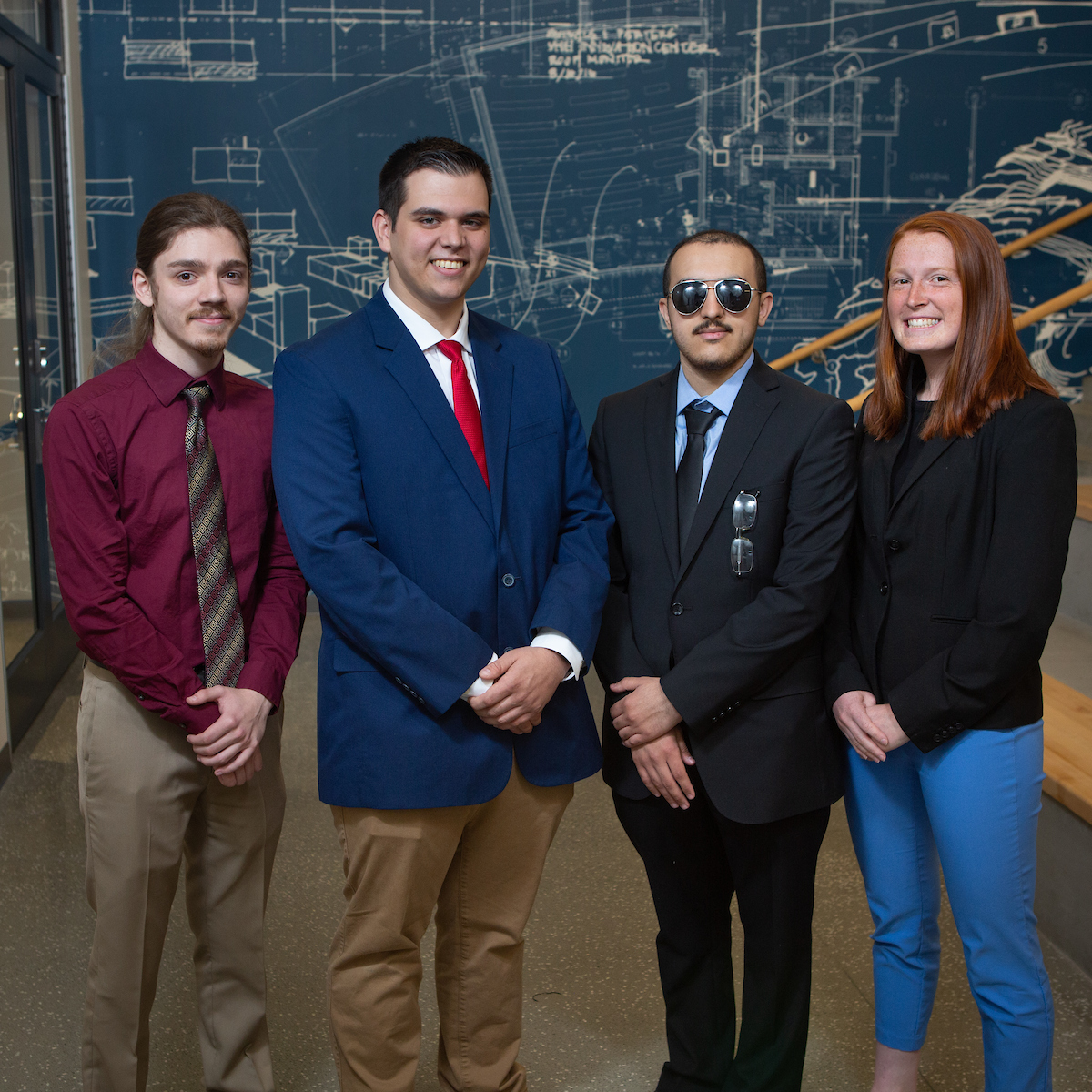
Jamal Bouajjaj and Mackenzie Myers;( Electrical Engineering); Thomas Kittelberger (Computer Engineering); and Sean Vallie (Mechanical Engineering)
Dr. Mohsen Sarraf
Ms. Ignasha Cassod
Prompti Technologies
To determine the received power at distances between 80 and 160 miles for transmitted power levels below 1 kW using continuous wave and wide bandwidth signals to assess the potential bit rate capacity of digital data communications in this band.
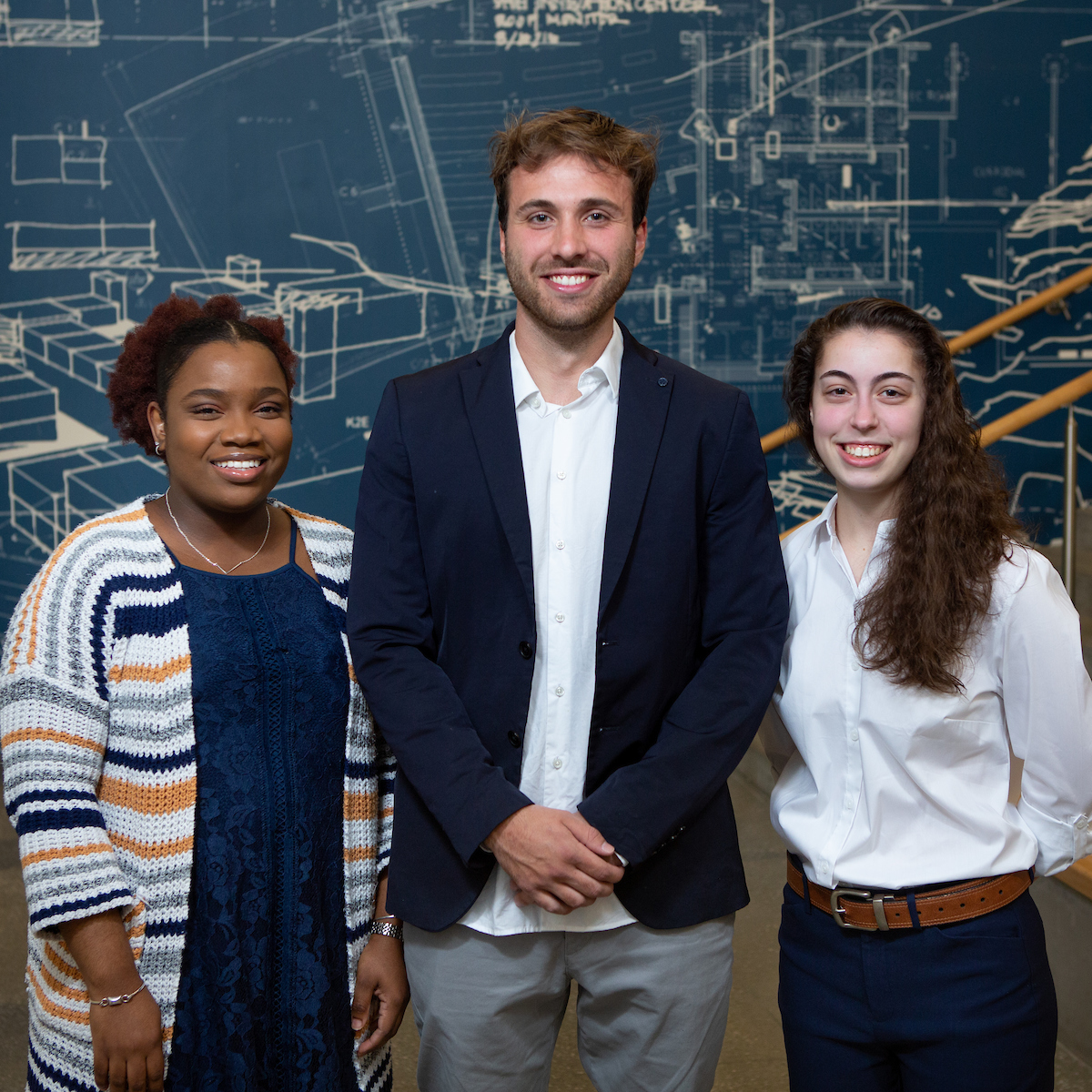
Jessica Valentino, Lisanne Price, and Alvaro Ezpeleta (Industrial and Systems Engineering); Pedro Aparicio (Mechanical Engineering)
Mr. Laurence Levine
Lou Guerci, President, Bead Electronics
Bead Electronics – manufacturer of end–to–end, solid wire, and tubular electronic contact pins
To improve the material handling and inventory control process to optimize parts flow and resource allocation. The use of a bar coding system and improved physical layout will be analyzed to reduce dock-to-stock, inventory control, and finished goods material handling times. The process will be simulated in ARENA software to evaluate options and identify other sources of inefficiency.
Paola Garcia and Maxwell Anderson (Industrial and Systems Engineering); James Blum (Mechanical Engineering)
Mr. Laurence Levine
Ms. Jonna Gerken, F100 Production Readiness Manager
Pratt & Whitney – believer that powered flight has transformed – and will continue to transform – the world.
To recommend modifications to the current source surveillance of the F100 program to provide early detection of supplier delivery, quality, and manufacturing issues. The program must be able to detect when a delivery or part is at risk so that corrective action can be initiated.
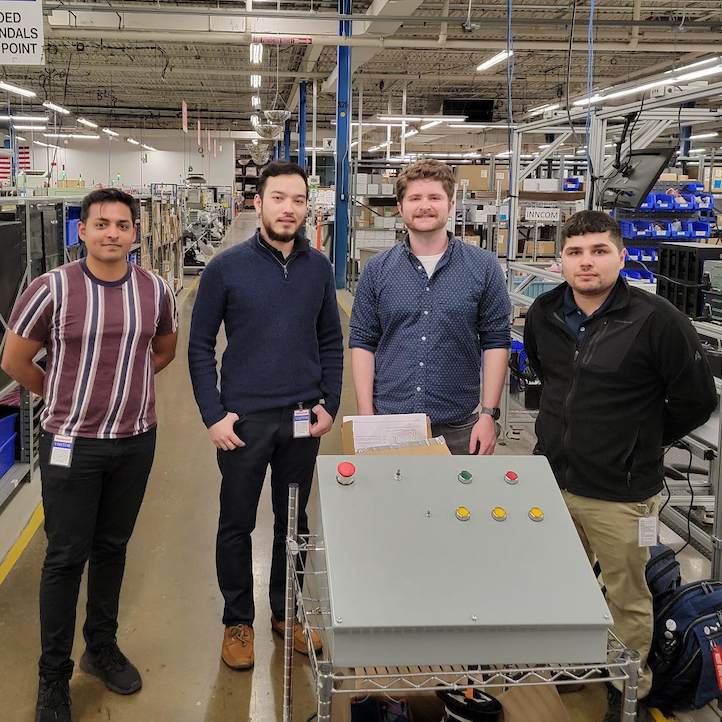
Jaineel Shah and Kosal Vickcheka (Electrical Engineering); Angus Foden and Josh Verderame (Mechanical Engineering)
Dr. Joseph Levert
Mr. Vincent Iacona, Certification Engineer II
Honeywell Building Technologies – creator of holistic solutions that improve virtually every aspect of a building’s environment and experience.
To create a detailed automated testing procedure for Honeywell’s Fire Alarm Control Panels. The automated procedure will include four endurance testing and four overload testing programs. A user manual and programming guide will be written explaining the steps for the procedure and how the programming was developed. Scrum and agile techniques will be used while creating the programming configurations. The automated procedure will save time and money and enable faster product development.
Jarred Crystal (General Engineering); Shawn Connolly, Blake Jandreau, and Frederick Koomson (Mechanical Engineering)
Dr. Joseph Levert
Dr. Zhihua Gan, Ultrasonic Engineer
Nordco, Inc. – provider of a wide selection of products and services that make it possible for rail related industries to improve and maintain rail transportation.
To design and improve the FLEX rail carriage which is used to locate rail discontinuities while traveling down the rail. The carriage utilizes ultrasonic sensors to detect discontinuities. It is critical to properly orient the ultrasonic sensors to effectively find the discontinuities. The proper orientation requires fixed and active adjustment features. The project seeks to reduce the weight of the system while adding a new vertical adjustment feature but must not sacrifice any existing features currently in use or compromise the rolling stability. The goal for the end-user is an easy-to-use system to acquire data on the rail wear conditions.
We thank our industry sponsors who served as customers for our students as well as supporting their prototyping expenses. As customers, they gave valuable time and insights that uniquely benefited our students with an experiential design education in a real-world setting, which greatly complements the team mentoring by our faculty colleagues. Their generous commitment to our students brought their design education to life.