
QUICK FACTS
Length to Complete: 2 years
Start Dates: Fall or Spring
Priority Application Deadline: April 15
Tuition Discount: Public Safety personnel 50% discount
Program Social Media
Help Solve Complex Human Challenges
Community psychology goes beyond an individual focus and integrates social, cultural, economic, political, environmental, and international influences to promote positive change, health, and empowerment at individual and systemic levels.
For over 50 years, the University of New Haven's Master's Program in Community Psychology has prepared students to address complex social challenges through applied research, community partnerships, prevention, advocacy, and systems-level change.
Students tailor their degree through one of our specialized concentrations:
- The Program Development & Evaluation concentration prepares students for careers that emphasize the development and implementation of programs and services, particularly in community settings (e.g., non-profits, schools, public services). The concentration addresses planning, development, and evaluation of innovative approaches to prevention and intervention.
- The Forensic Mental Health Services concentration prepares students for careers in the management and care of offenders in forensic settings, as well as policy competencies. The concentration addresses how systems impact justice-involved individuals, law enforcement, courts, and various community-based prevention and recovery programs.
- The Design for Social Innovation & Well-Being concentration equips students with the skills to integrate human-centered design methods into the practice of community psychology. Students learn to frame social challenges, engage stakeholders, and develop innovative interventions that strengthen the functioning of individuals, families, groups, and institutions. Emphasizing participatory research, service design, and applied projects, this concentration prepares graduates to address complex social issues with creativity, equity, and systemic awareness.
This program is ideal if you are currently working in, or would like to pursue a career in:
- Community Mental Health
- Human Services and Nonprofit Leadership
- Victim Advocacy and Violence Prevention
- Criminal Justice and Forensic Services
- Public Health
- Program Development and Evaluation
- Community-Based Research
- Community Advocacy and Social Change
- Human-Centered Design and Social Innovation
"The whole CP program itself has been useful in my current employment. I work directly with children, families, and young adults in community-based settings. I have to work with individuals from all backgrounds who are typically in dire situations -- children being removed, losing housing, in current mental health crises, etc.-- and the CP program more than adequately prepared me to deal with individuals from these varying circumstances. The program improved my writing and communication which is something I use daily as a regional supervisor."
- Class of 2025 graduate, MACP anonymous student survey, 2025

CORE Lab
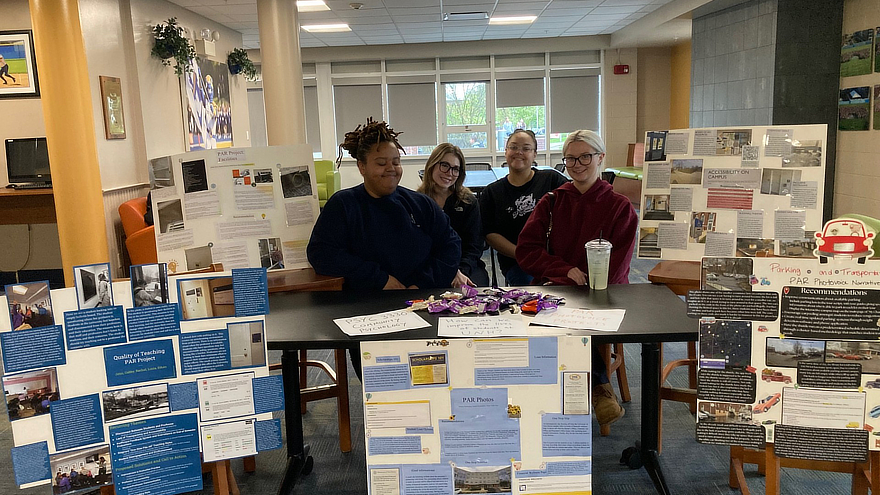
The Community-Oriented Research & Evaluation (CORE) Lab, founded in 2017, provides students interested in research with opportunities to engage with other students and faculty in applied research designed to address community needs and promote positive social change. Through partnerships with local and national organizations, students gain hands-on experience in research, evaluation, and community engagement. Click the button below to meet our students and the projects they’ve done.
Esperanza United
Esperanza United Website
Career Opportunities with a Master's Degree in Community Psychology
$118K
Medical and Health Services Managers
23% Growth 2024-2034
$102K
Psychologists
6% Growth 2024-2034
$59K
Mental Health and Substance Abuse Social Workers
17% Growth 2024-2034
Selected Courses and Programs
To view the complete list of courses you'll take while pursuing a master’s degree in community psychology, check out the Academic Catalog:
Community Psychology, M.A. - Community Research and Evaluation Concentration
Community Psychology, M.A. - Forensic Psychology Concentration
Community Psychology, M.A. - Program Development Concentration
Spotlights

Understanding what needs to change — and then knowing how to change it.
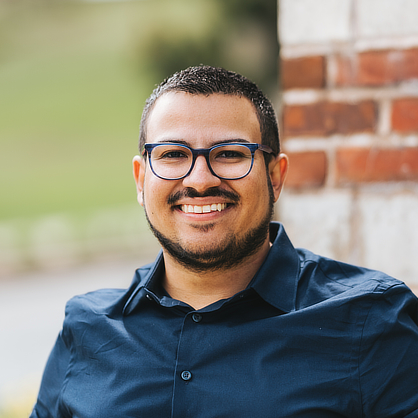
A calling to help at-risk youth leads to advocacy work and the chance to help reform State programs.

Dedicated professors and a critical community need inspire a future victim advocate.

A love for Community-Clinical services leads to plans for a future mentorship program for current students and alumni.
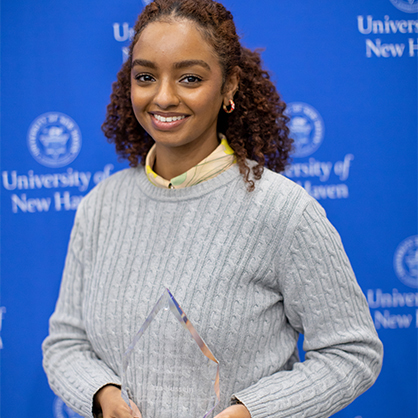
‘The University Has Fulfilled Everything I Was Looking for in a Program’
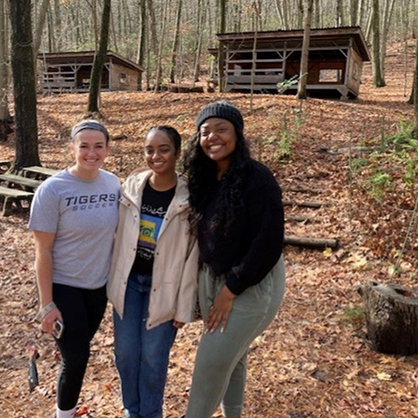
Studies and community involvement fuel a passion to make change.
Job Success By the Numbers
We want you to have a good idea of your job potential, so we keep tabs — on how many recent graduates are employed in the field and how, in their estimation, our program positioned them for success. The survey results below give you the inside story.
80%
of 2021 graduates surveyed are currently employed in the field of community psychology, with 55% working within their concentration
85%
of 2021 graduates surveyed are satisfied with their current employment, with 80% reporting satisfaction with their current salary
75%
of 2021 graduates surveyed said that the University of New Haven’s Community Psychology program prepared them well to meet the challenges they encounter in their professional work
Alumni Achievement
Our graduates pursue careers in areas aligned with the program’s concentration pathways:
Program Development & Evaluation
Program evaluation, research, needs assessment, prevention programming, nonprofit leadership, and policy initiatives.
Forensic Mental Health Services
Behavioral health services, corrections, reentry programs, juvenile justice, and victim services.
Design for Social Innovation & Well-Being
Human-centered design, service innovation, systems improvement, and community problem-solving.
- Education (teaching K-12, college, & university)
- Consultation
- Behavioral Health/Mental Health Clinics
- Research Centers
- Community-Based Non-Profits
- Correctional Institution
- Government
- Research Associate
- CPS Coordinator
- Program Coordinator/Director
- Executive Director
- Evaluation Associate
- Reentry Case Manager
- Senior Substance Abuse Counselor
- Data Engagement Specialist
- Family Advocate
- Director, Juvenile Review Board
- Coordinator of Community Education
- Director, Title IX/VAWA Compliance
- Professor
- Director of Clinical Services
- Survey and Data Specialist
- Development Associate
- Qualified Mental Health Professional
- Intervention Crisis Specialist
- Community Support Specialist
- Community School Counselor
- Ph.D.’s or Psy.D.’s
- Clinical-Community Psychology
- Community Psychology
- Clinical Psychology
- Counseling Psychology (under Ph.D.’s and Psy.D.’s)
- DHSc in Health Sciences
- School Psychology
- Education
- Dr.PH in Health Promotion & Behavioral Sciences
Learn from professors who are dedicated to your success.
Our faculty are leaders and innovators in their fields, bringing both deep professional experience and academic rigor to the classroom.
Nationally Recognized Center for Career Development
All University of New Haven students have access to the many resources available through the University’s Career Development Center, which has been named one of the best in the nation by The Princeton Review.
From career assessments, networking, and job shadowing to on-campus interviews and salary negotiation, the Career Development Center provides the skills and connections to identify a meaningful career and an opportunity to pursue your passion.
Learn More
Next Steps
An advanced degree from the University of New Haven will help you take your career to the next level. Each program offers convenient scheduling, personalized attention, and state-of-the-art facilities.
View Application RequirementsThe University of New Haven Graduate School is an excellent value with reasonable tuition. Of course, you will still have bills to pay and the Financial Aid office can help.
Financial Aid WebsiteWANT MORE INFO?
Find out more about why the University of New Haven is a great fit for you. Our admissions team will contact you with information personalized to your interests.
VISIT
A campus visit is one of the most important parts of the college selection process. Come feel what it's like to Be a Charger!
APPLY
With more than 74,000 alumni and more than 100 years of history, #ChargerNation is the place to be. Begin Your Journey today.